Your Custom Text Here
“Those who contemplate the beauty of the earth find reserves of strength that will endure as long as life lasts. There is something infinitely healing in the repeated refrains of nature - the assurance that dawn comes after night, and spring after winter.” Rachel Carson, 1962.
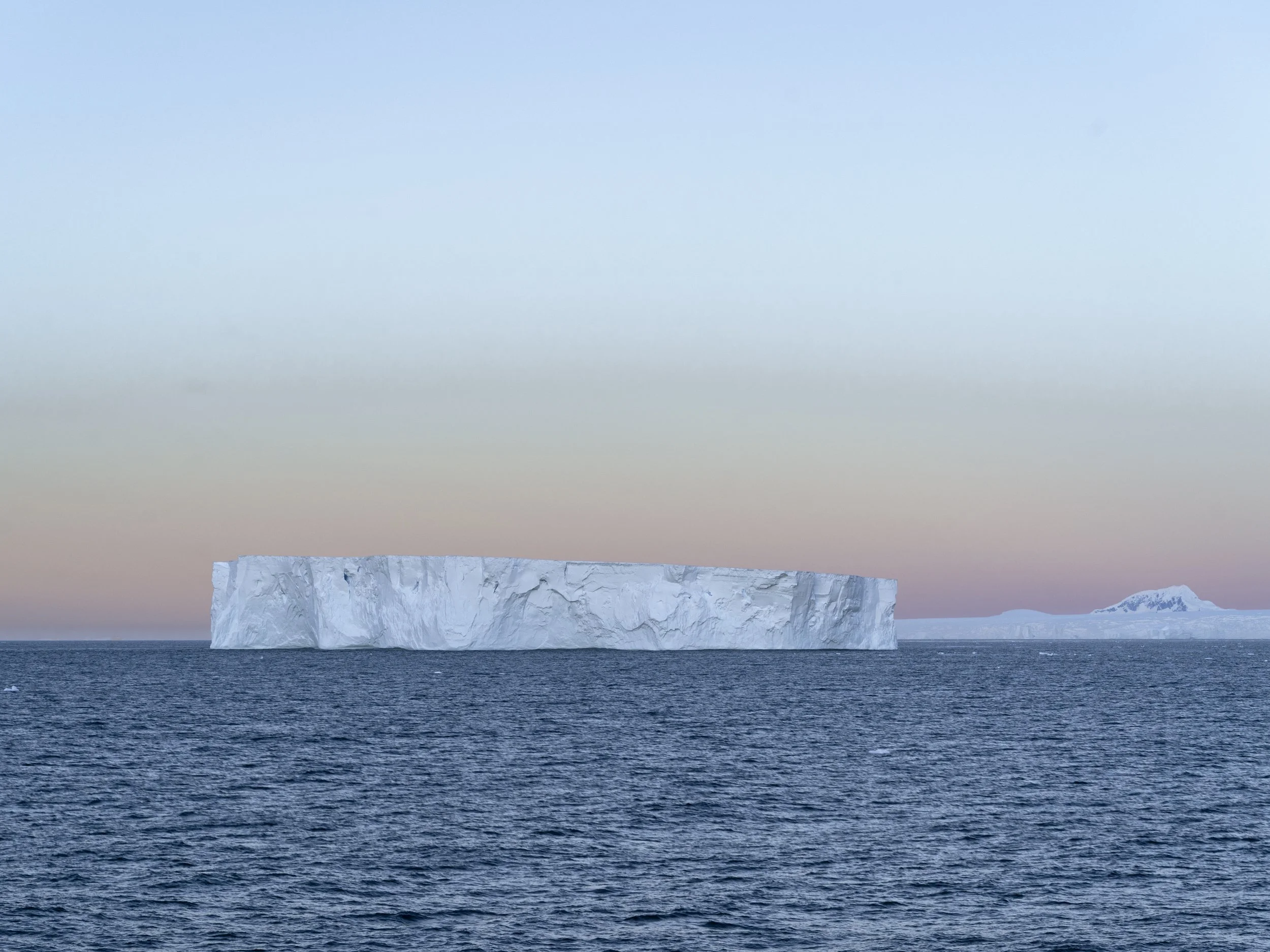
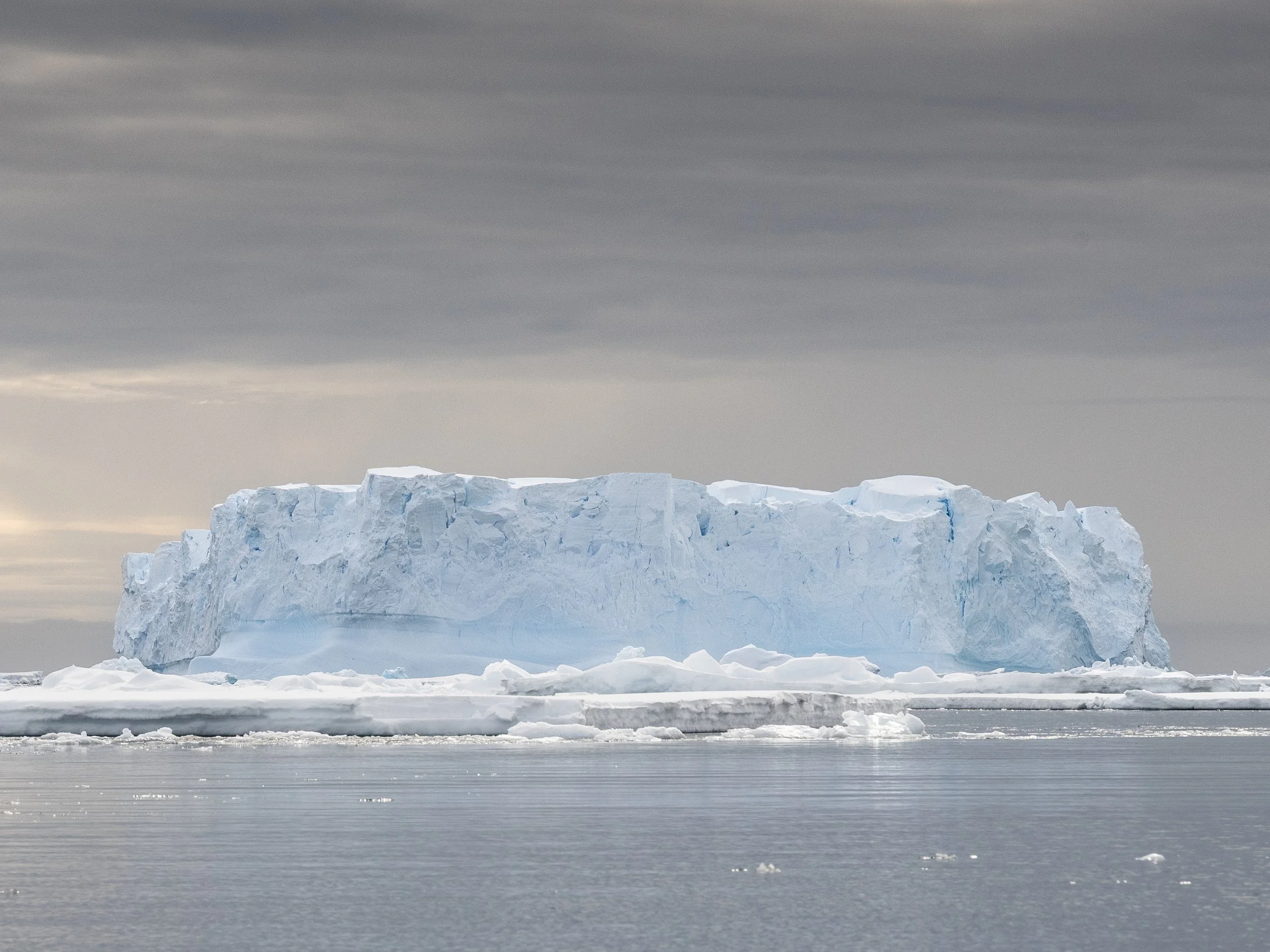
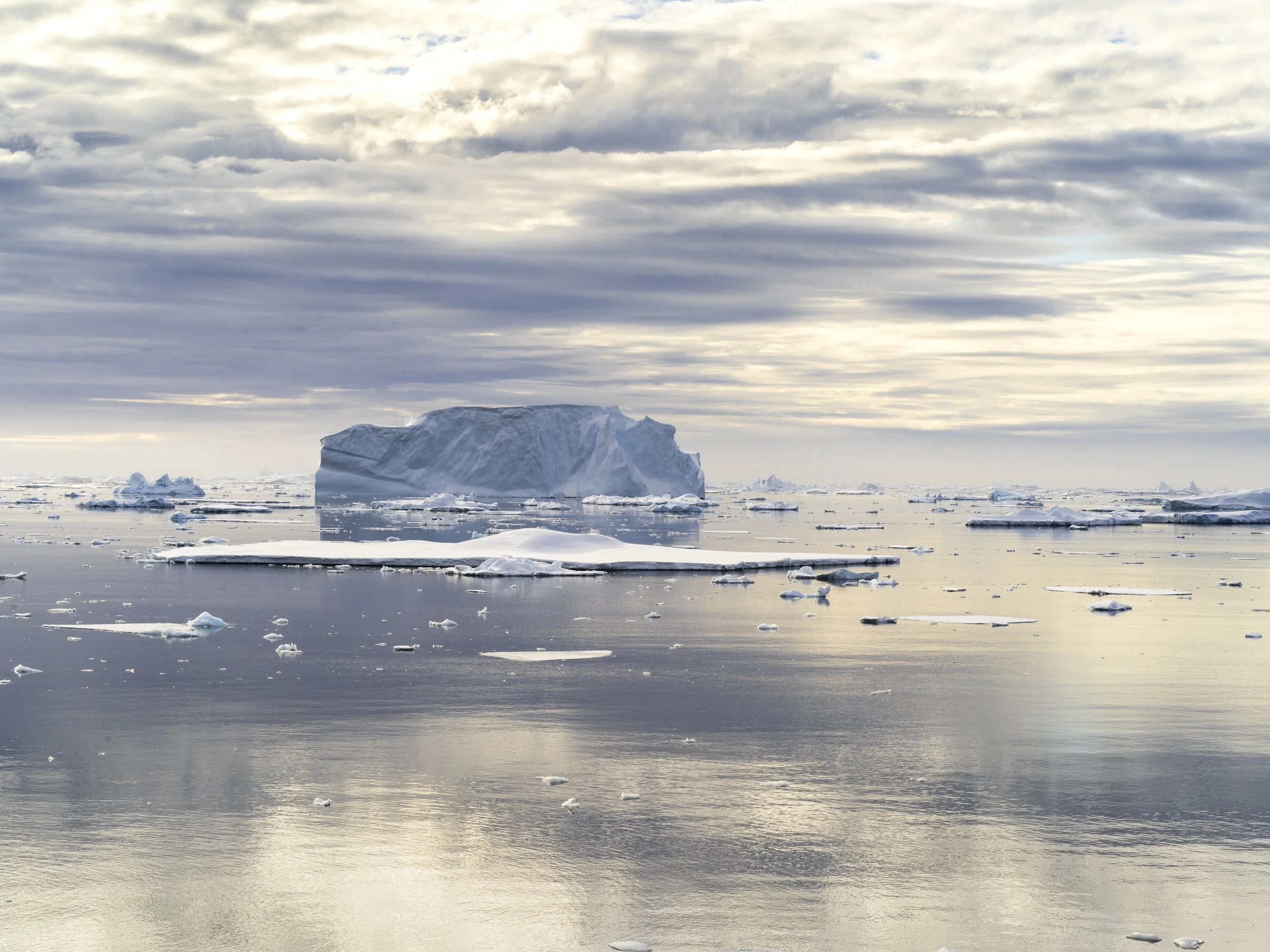
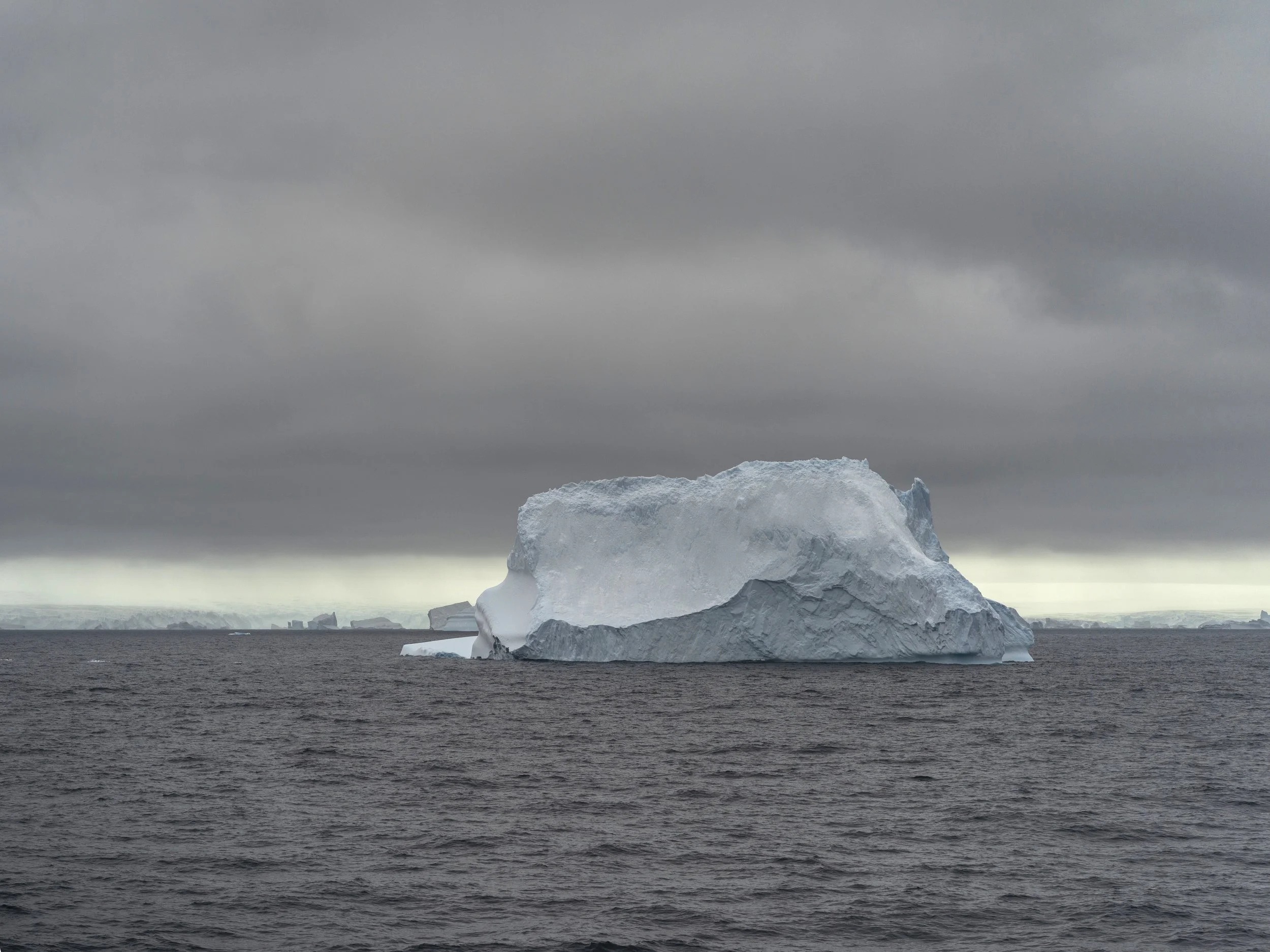
The berg is both substance and symbol. “Everything is in it,” as Conrad wrote of the human mind, “all the past as well as the future.” The journey of the ice from core to margin, from polar plateau to open sea, narrates an allegory of mind and matter.
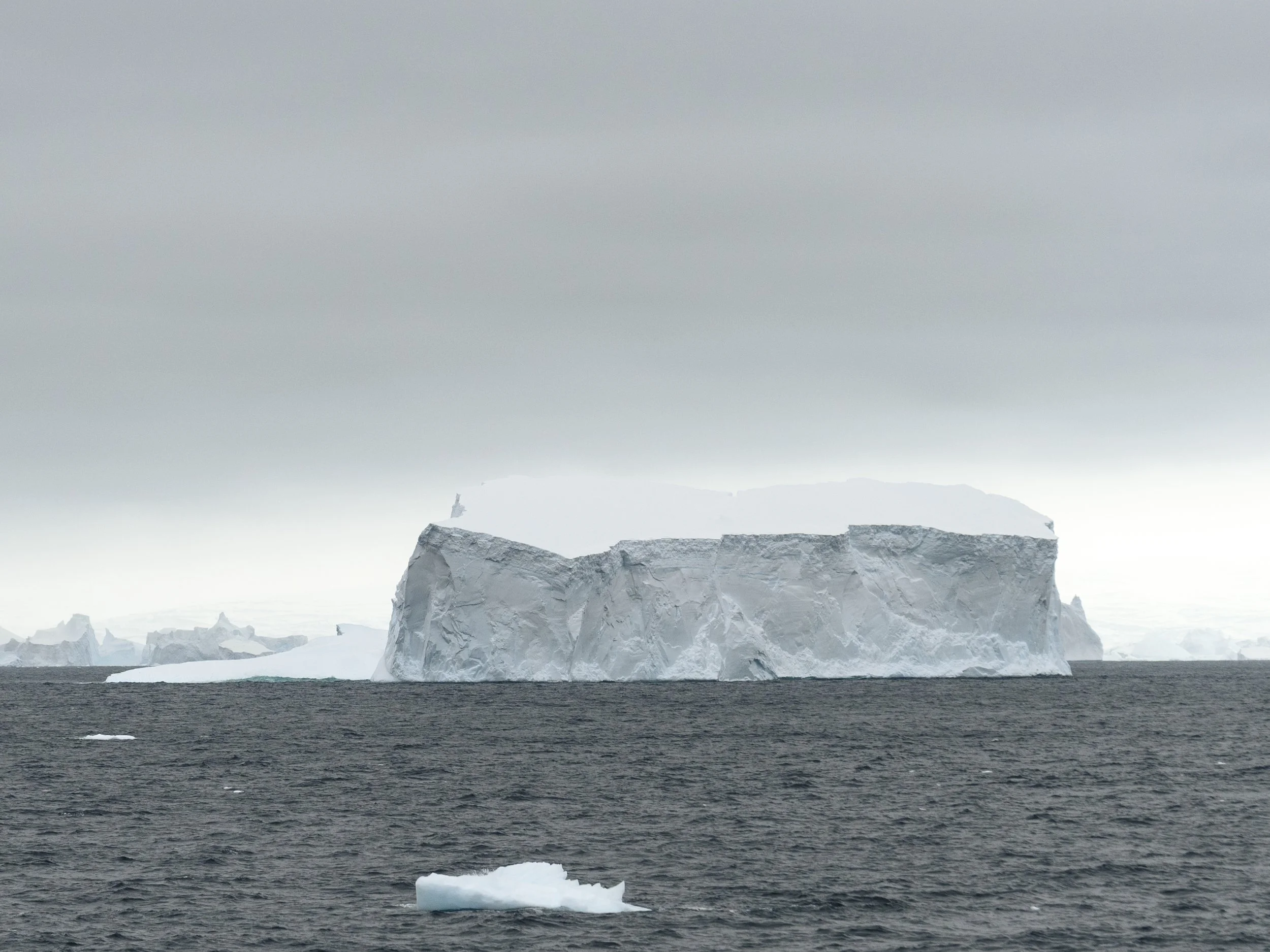
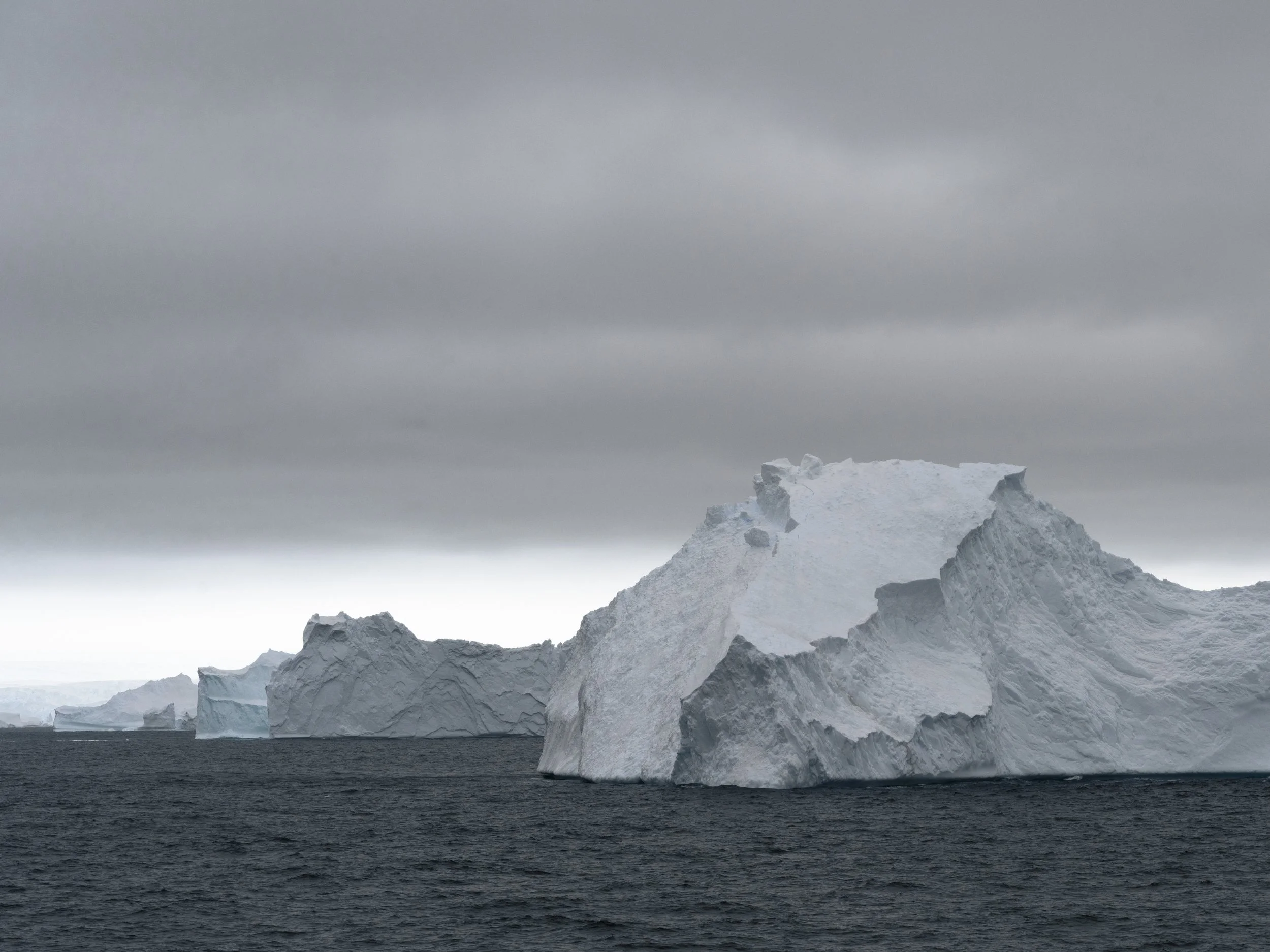
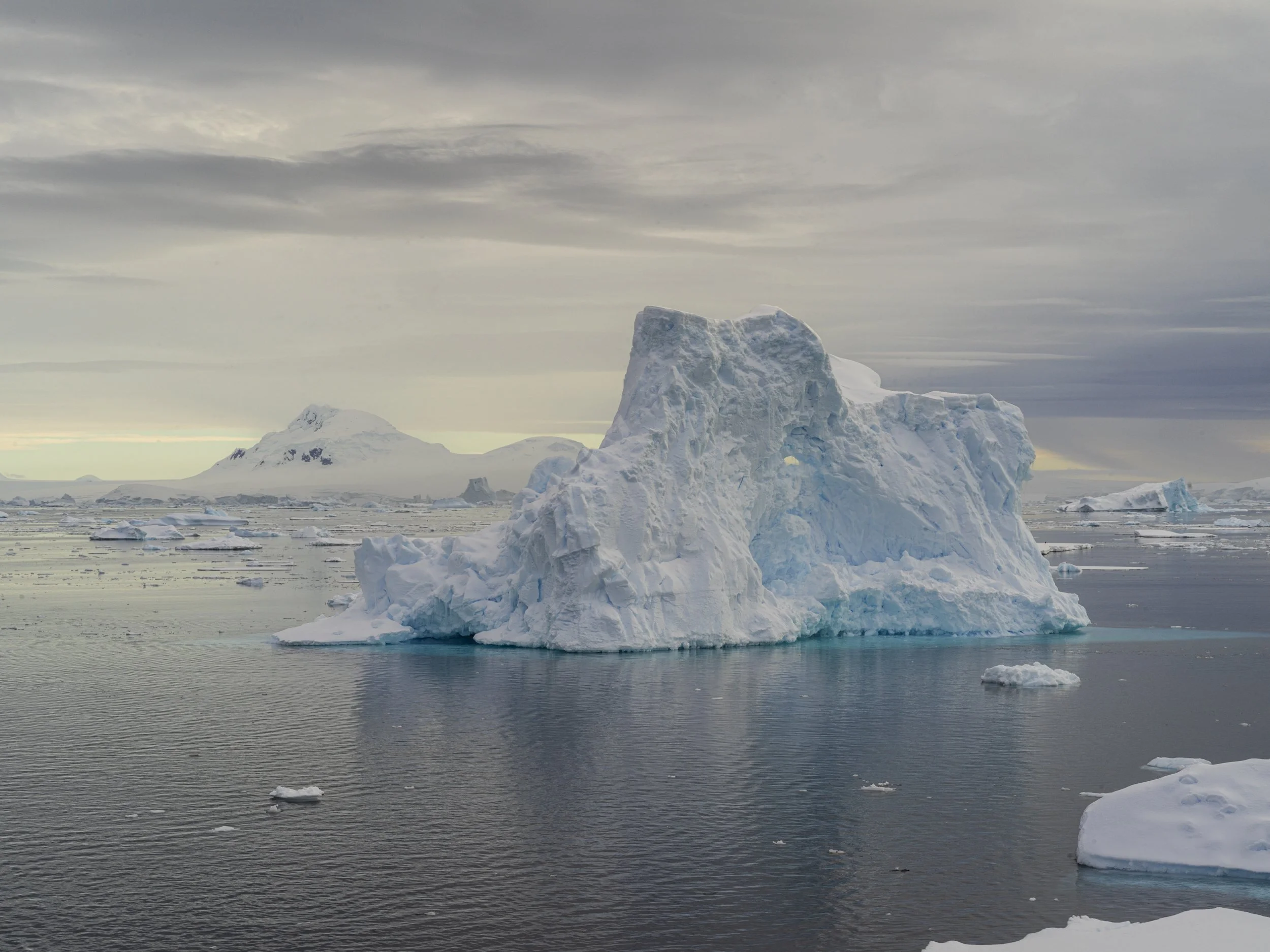
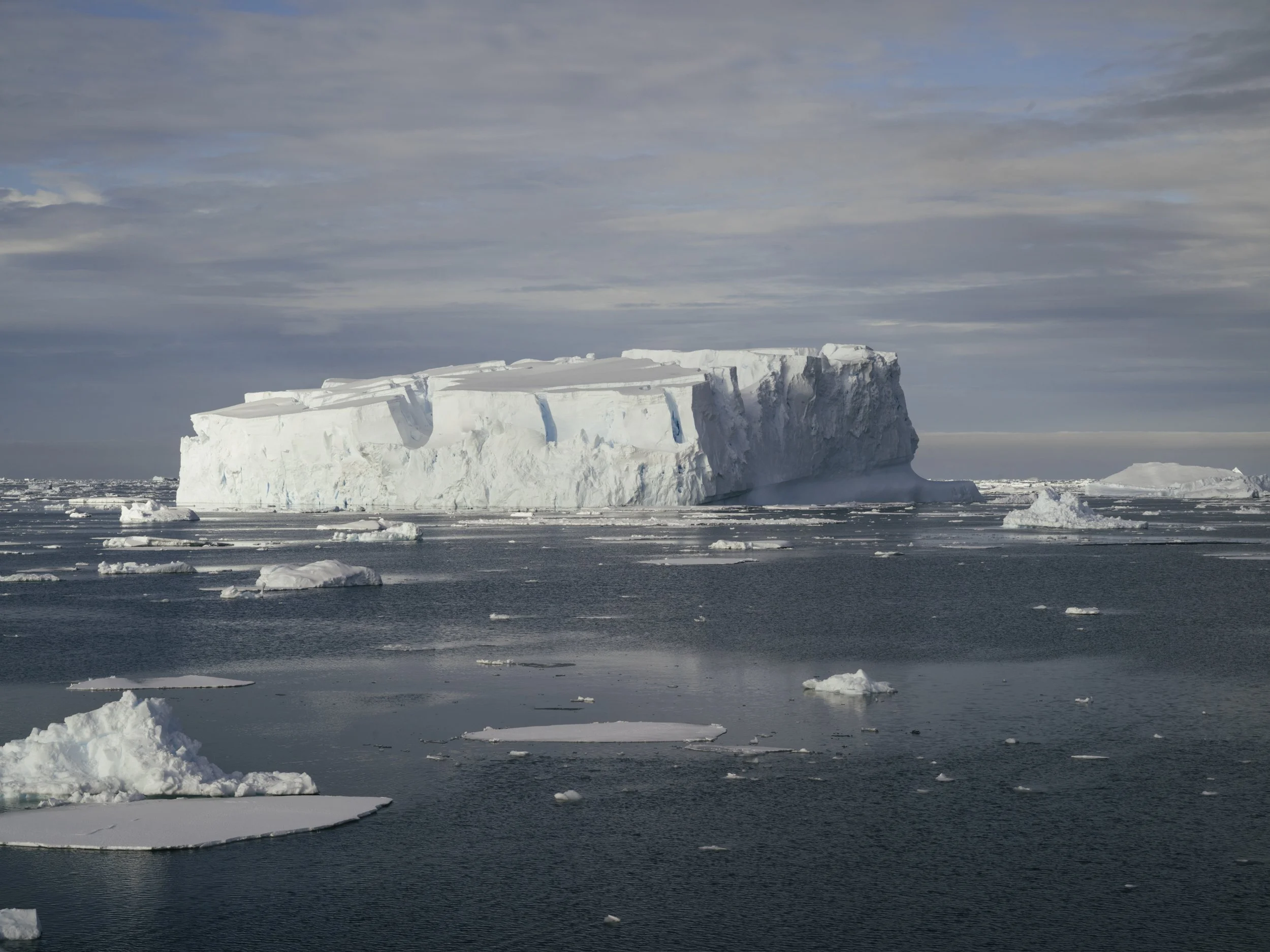
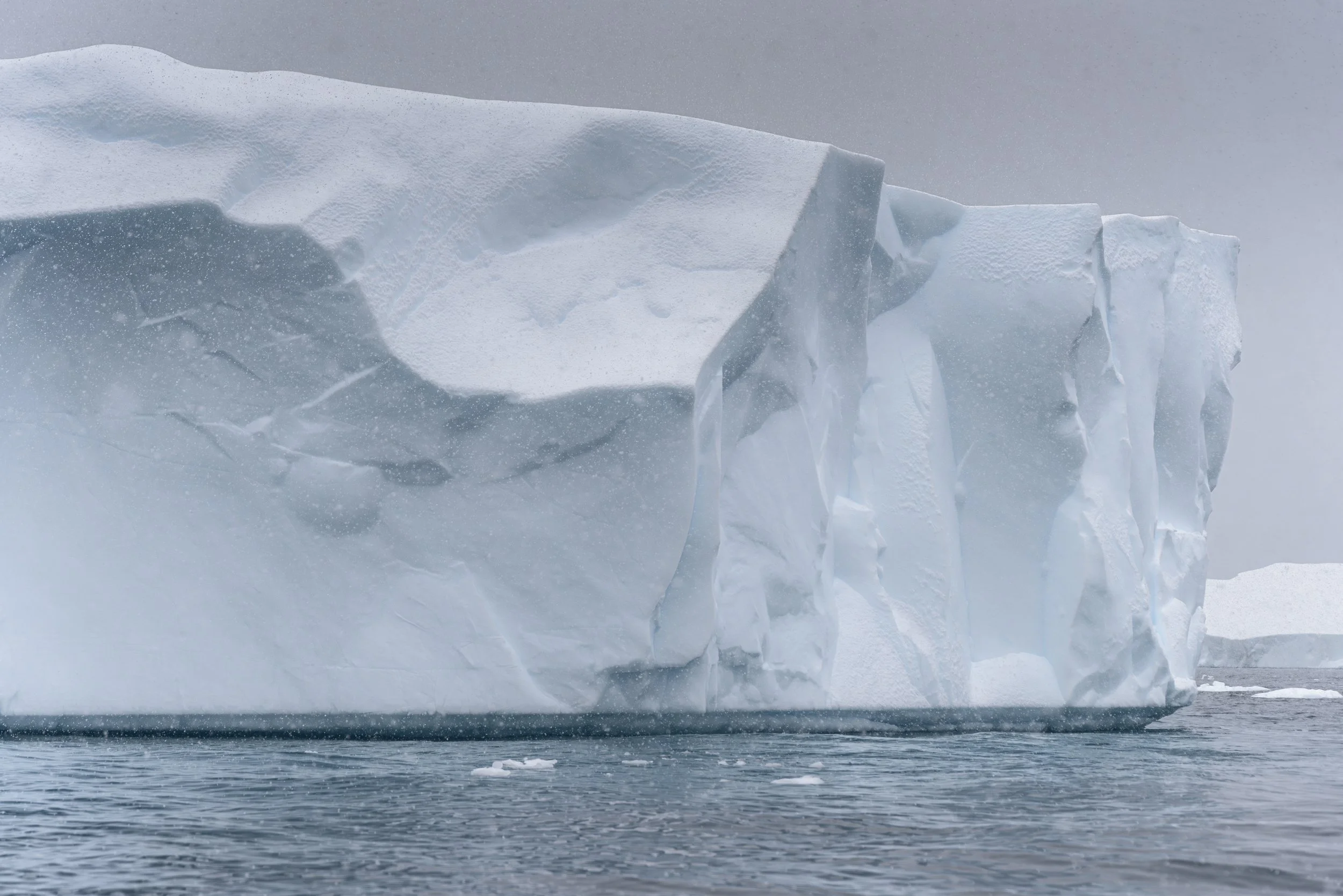
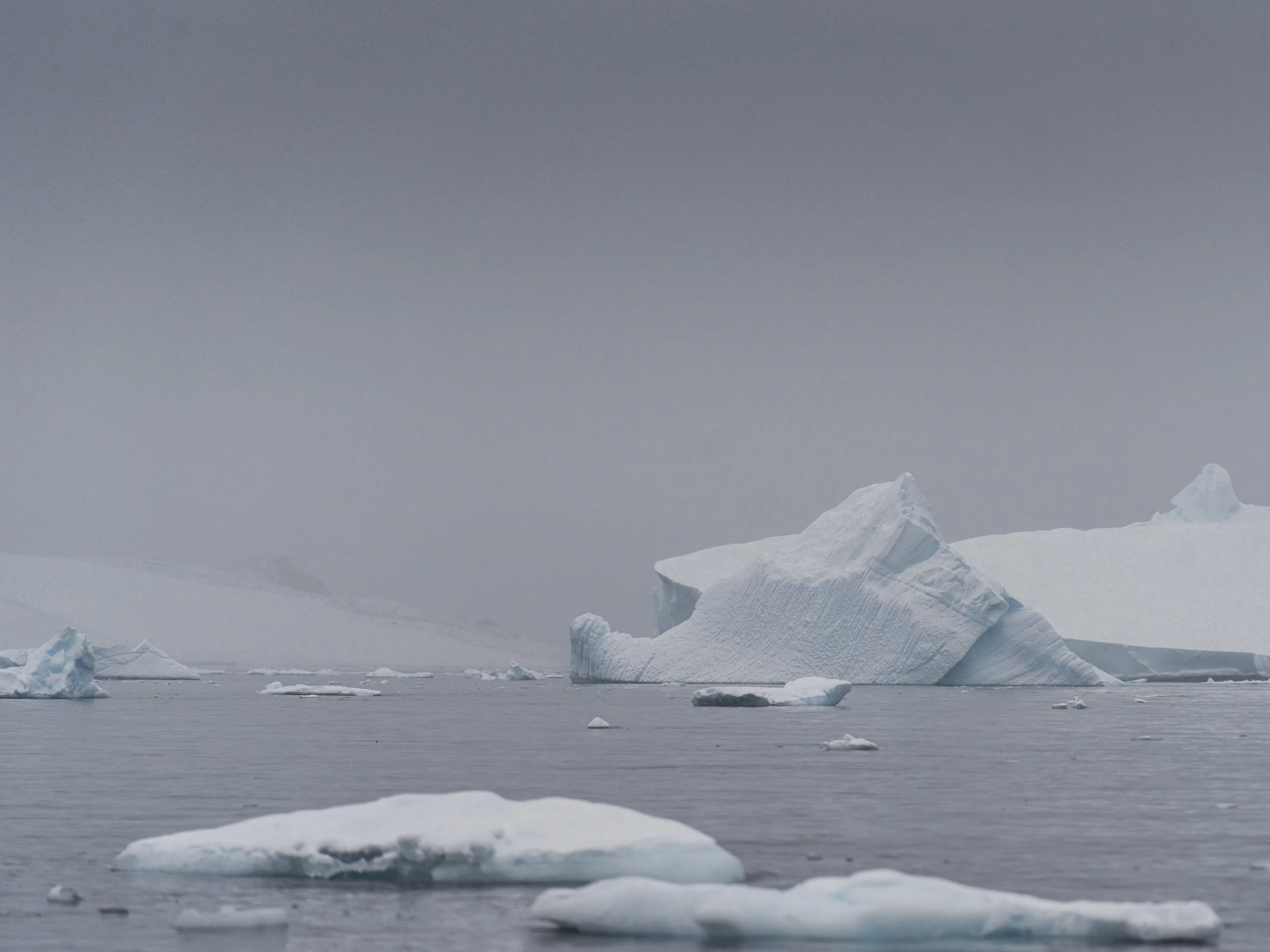
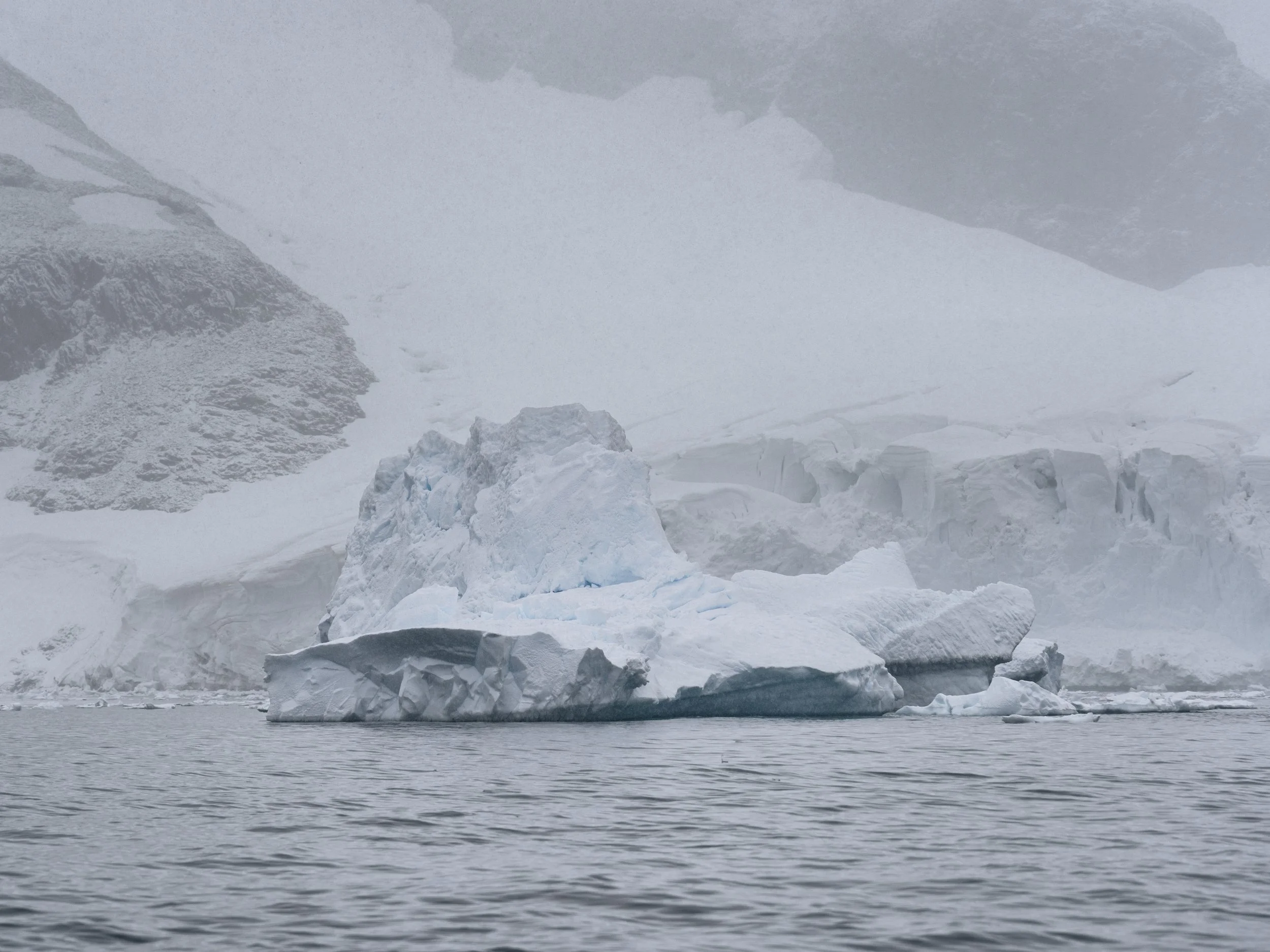
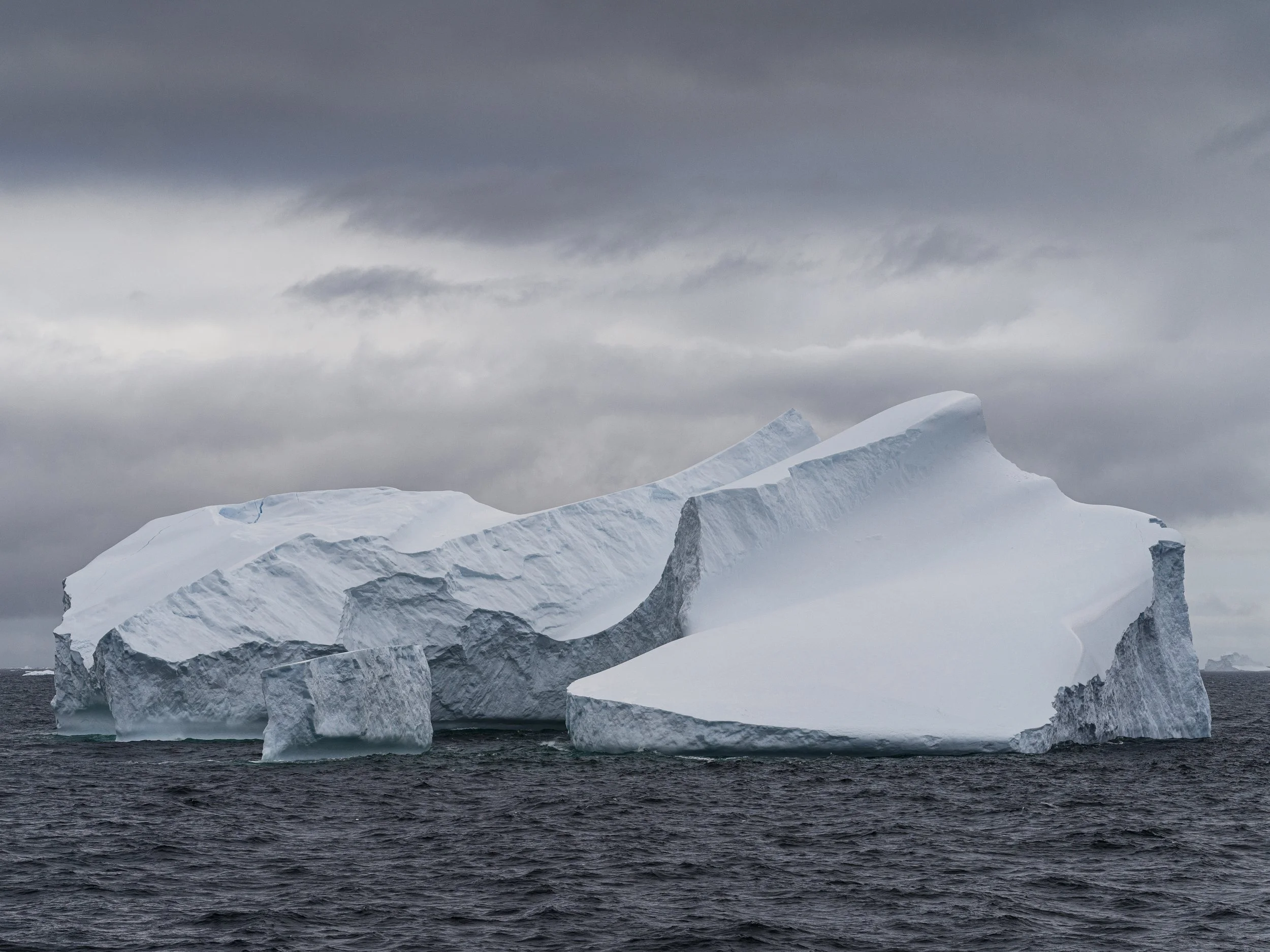
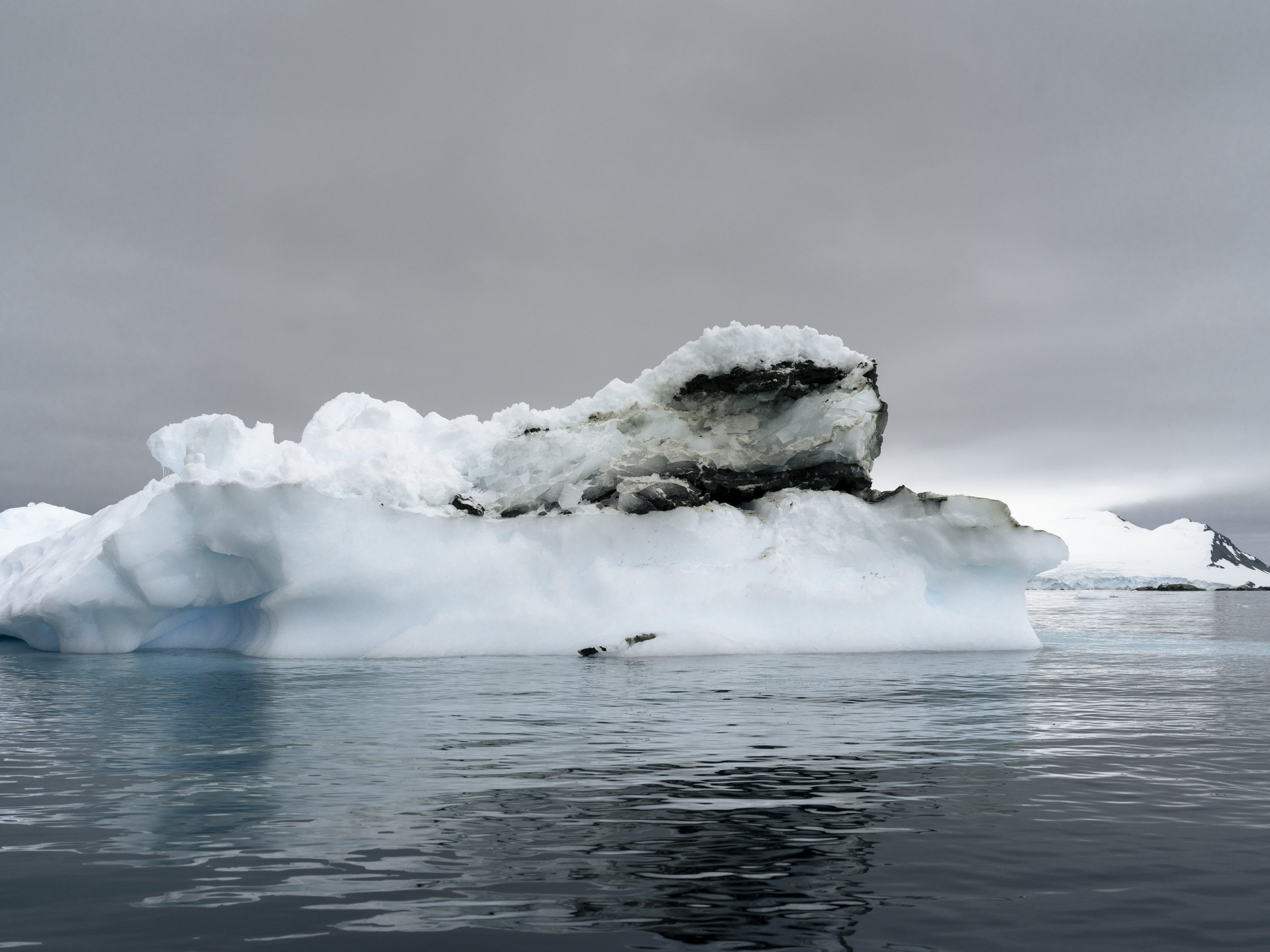
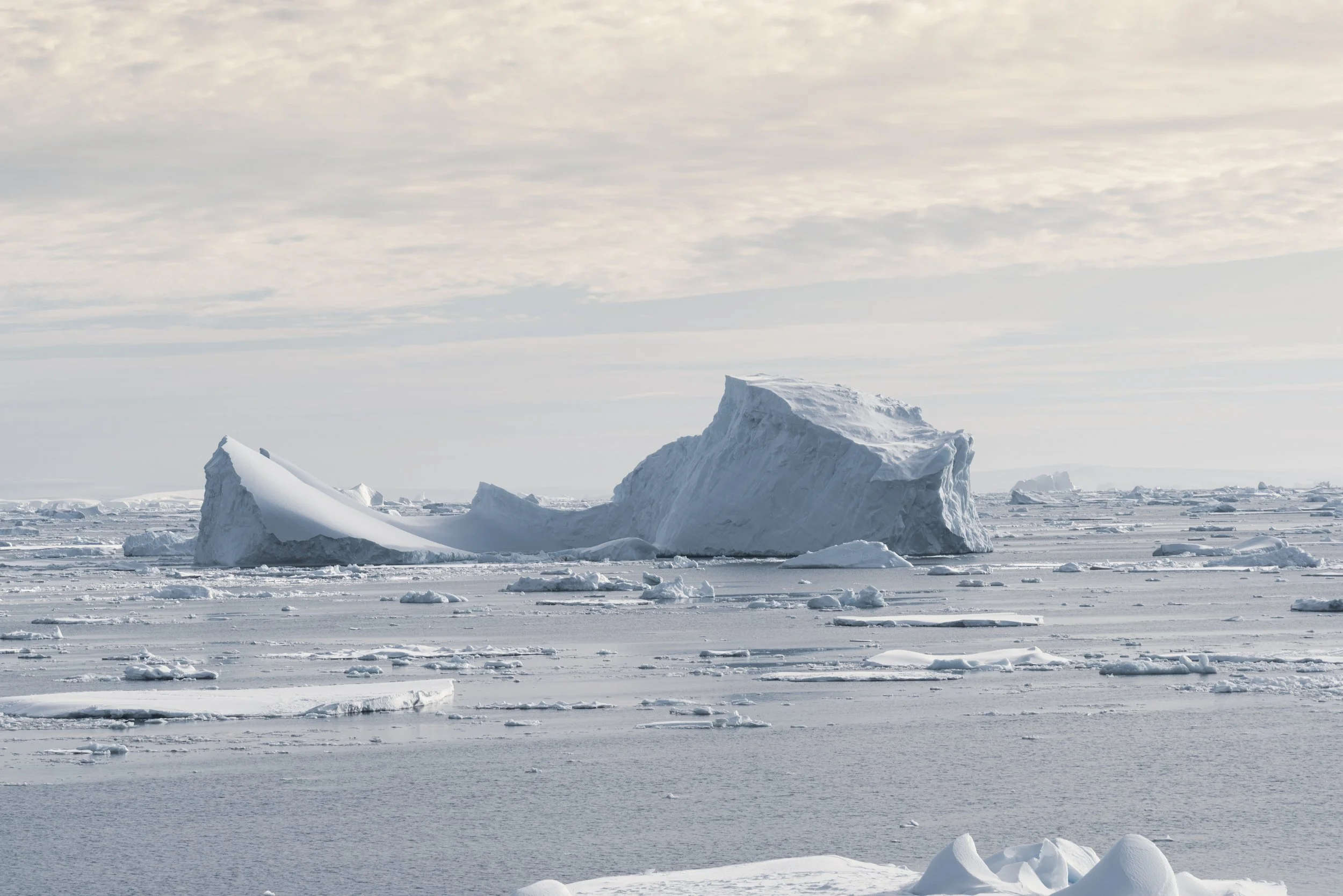
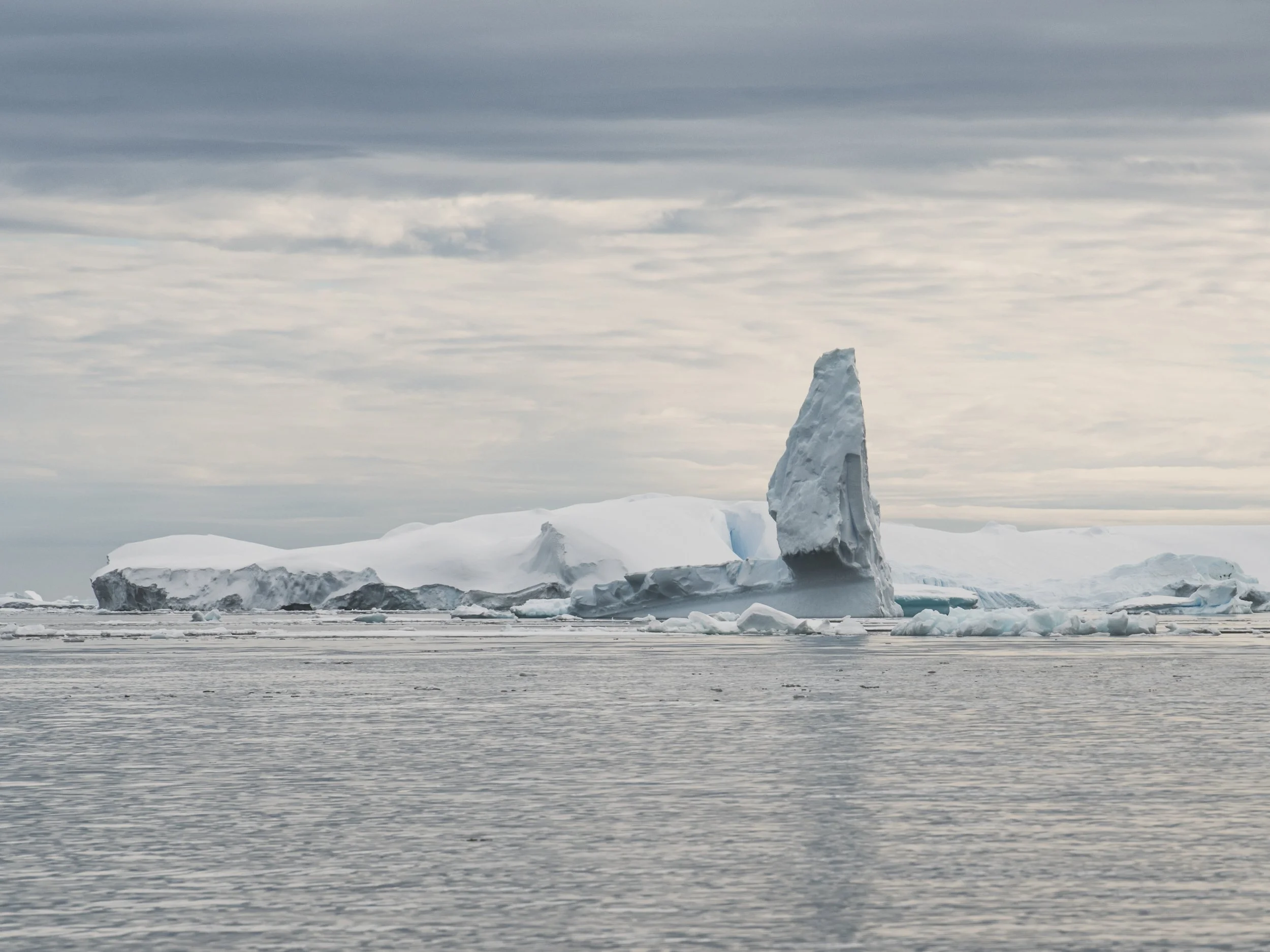
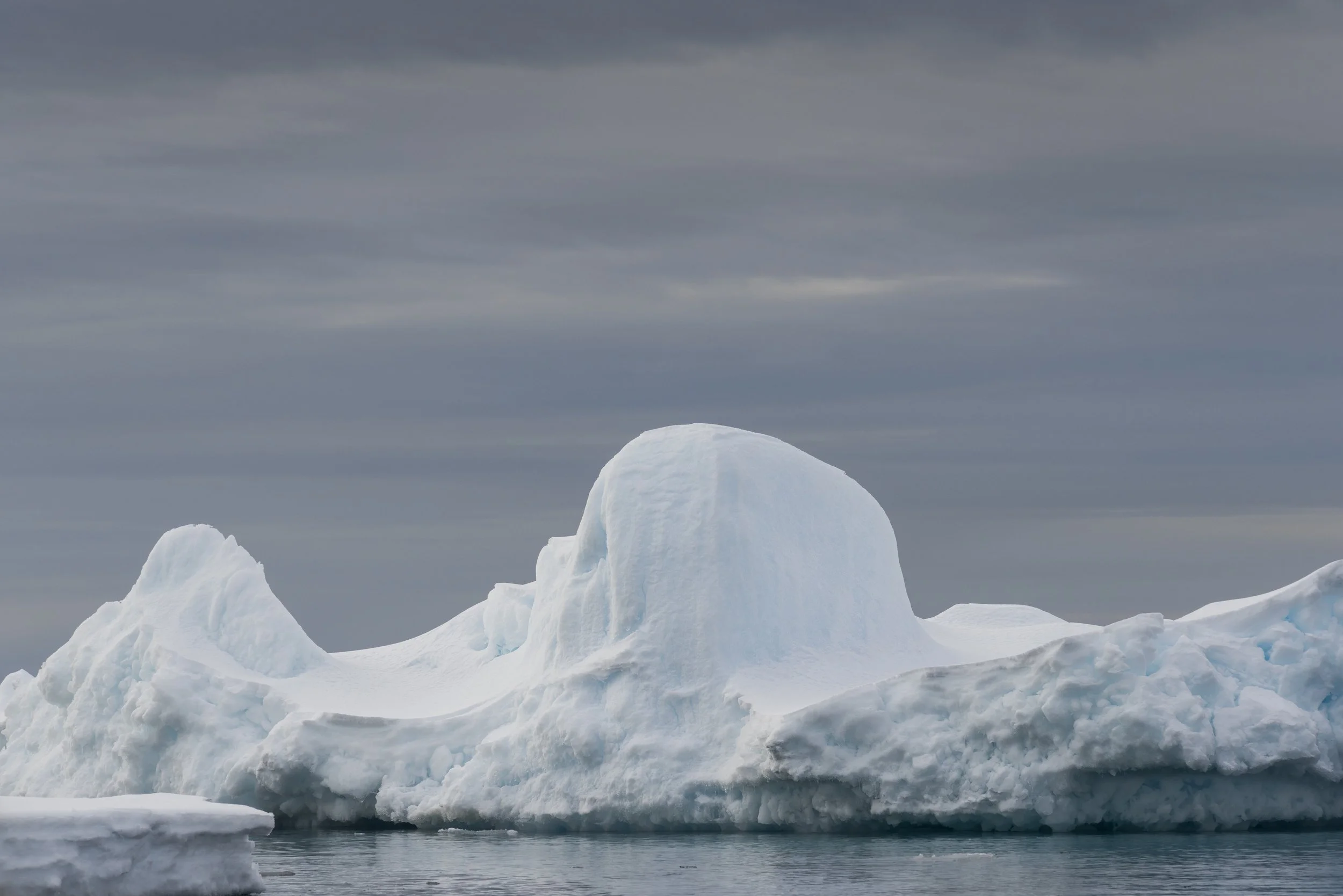
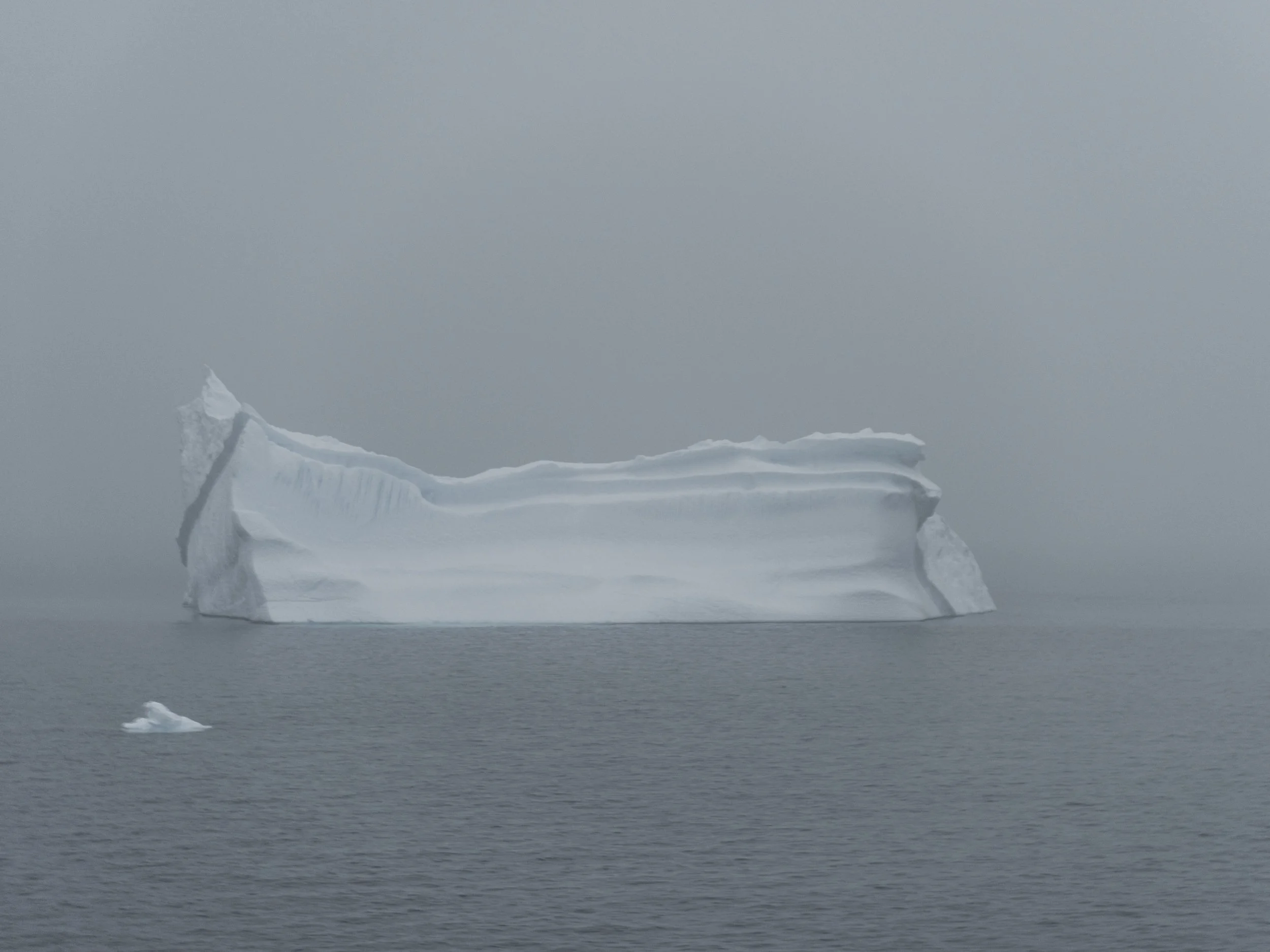
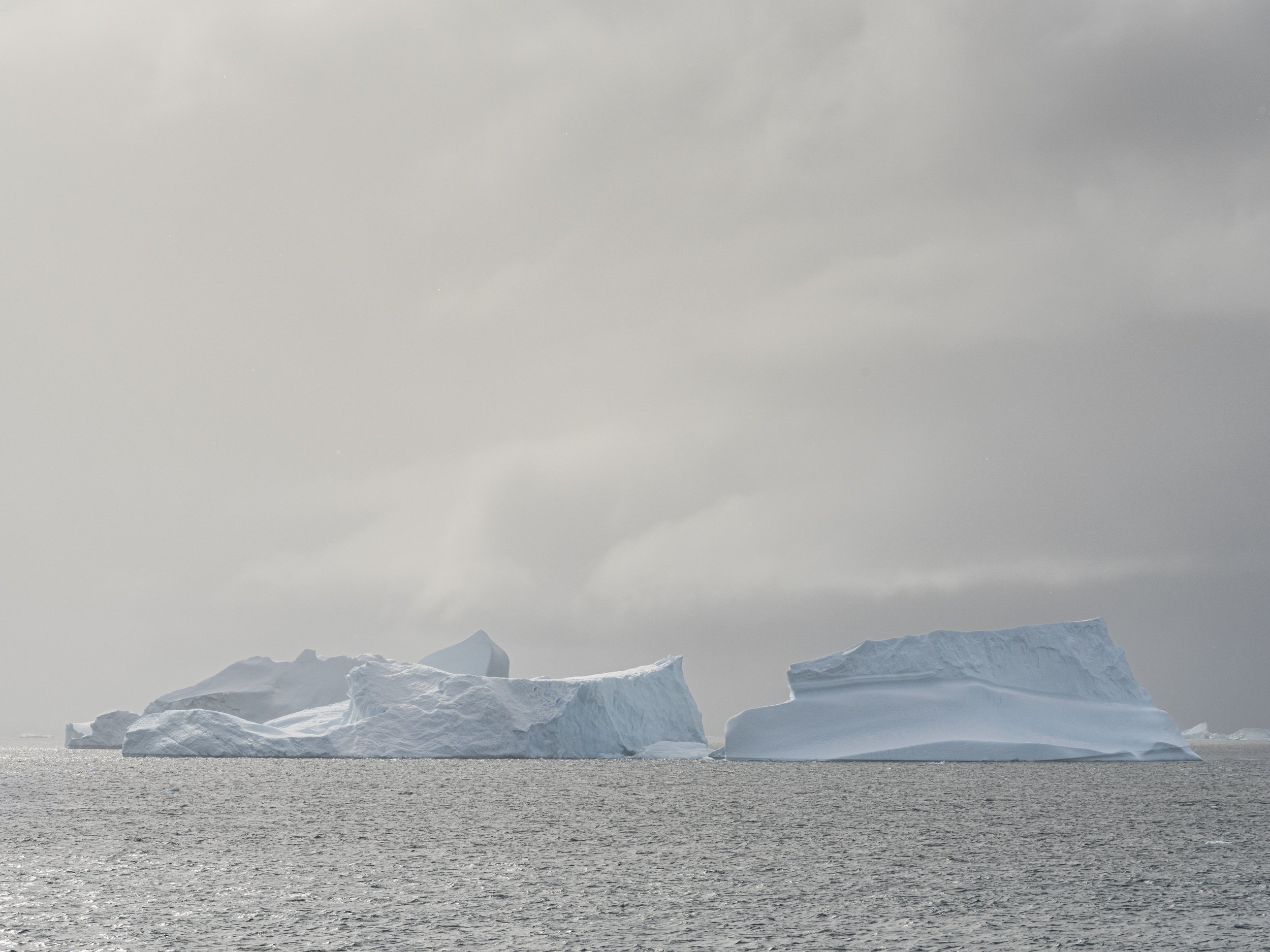
Icebergs synopsise the natural history of Antarctic ice. Within its ice the berg contains a frozen record of ice terranes and a history of movement through them. The berg is by far the most complex ice mass, and its dazzling whiteness masks a dense fabric of acquired ices and shapes brilliantly illuminated by its new surroundings - sea, sky, light.
Berg structure is internal as well as external: it records ice deformations and ice movements experienced while it existed within the confines of the ice field, and it documents the free-floating behaviour of the ice mass in its reincarnation as a berg. These two forms of movement - internal flow and external displacement - generate a hierarchy of shapes.
Ref: The Ice, A Journey to Antarctica, Stephen J Pyne (1986)
“Those who contemplate the beauty of the earth find reserves of strength that will endure as long as life lasts. There is something infinitely healing in the repeated refrains of nature - the assurance that dawn comes after night, and spring after winter.” Rachel Carson, 1962.
The berg is both substance and symbol. “Everything is in it,” as Conrad wrote of the human mind, “all the past as well as the future.” The journey of the ice from core to margin, from polar plateau to open sea, narrates an allegory of mind and matter.
Icebergs synopsise the natural history of Antarctic ice. Within its ice the berg contains a frozen record of ice terranes and a history of movement through them. The berg is by far the most complex ice mass, and its dazzling whiteness masks a dense fabric of acquired ices and shapes brilliantly illuminated by its new surroundings - sea, sky, light.
Berg structure is internal as well as external: it records ice deformations and ice movements experienced while it existed within the confines of the ice field, and it documents the free-floating behaviour of the ice mass in its reincarnation as a berg. These two forms of movement - internal flow and external displacement - generate a hierarchy of shapes.
Ref: The Ice, A Journey to Antarctica, Stephen J Pyne (1986)
Quisque iaculis facilisis lacinia. Mauris euismod pellentesque tellus sit amet mollis.