Your Custom Text Here
Antarctica - A Sense of Place
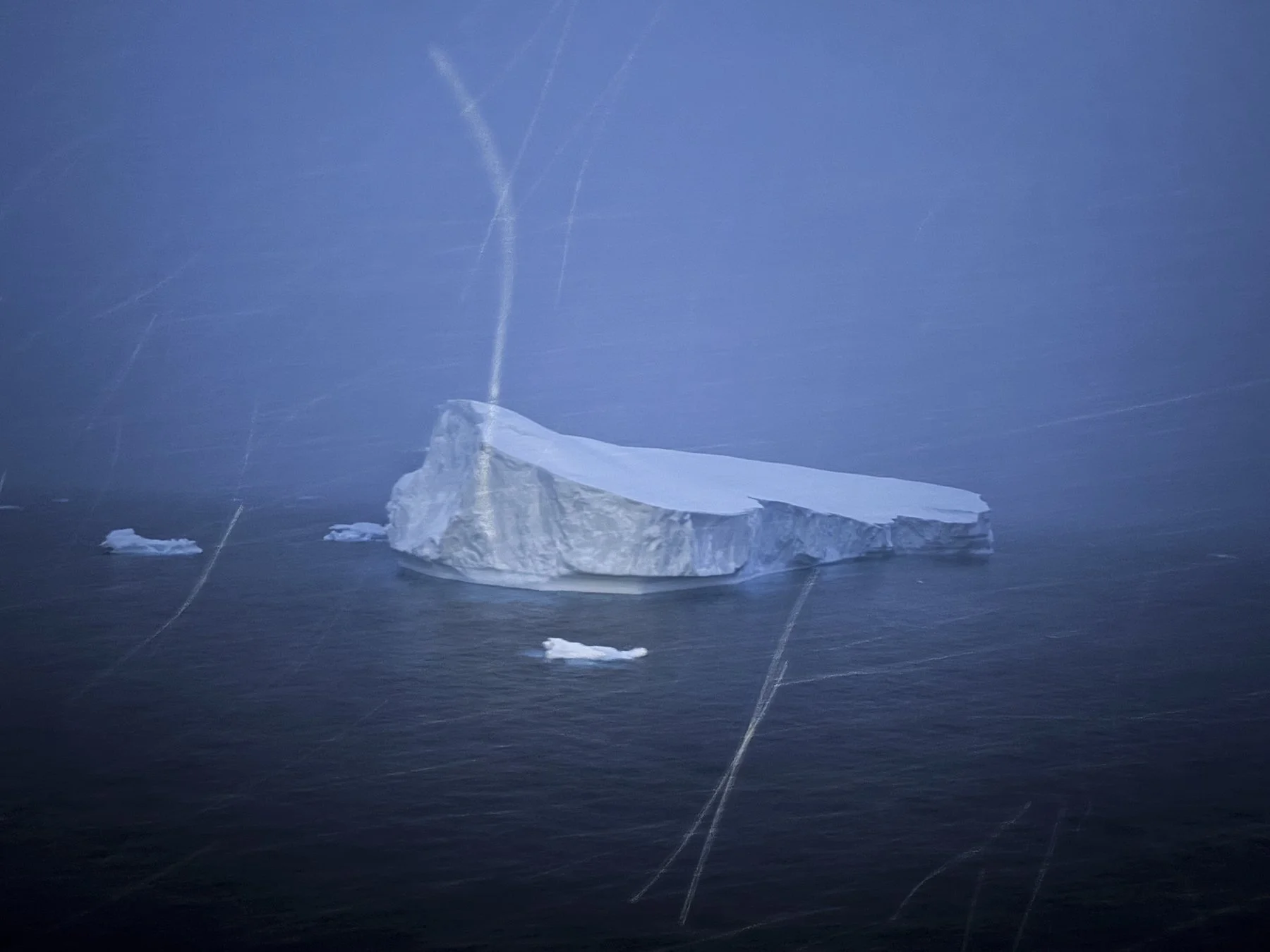
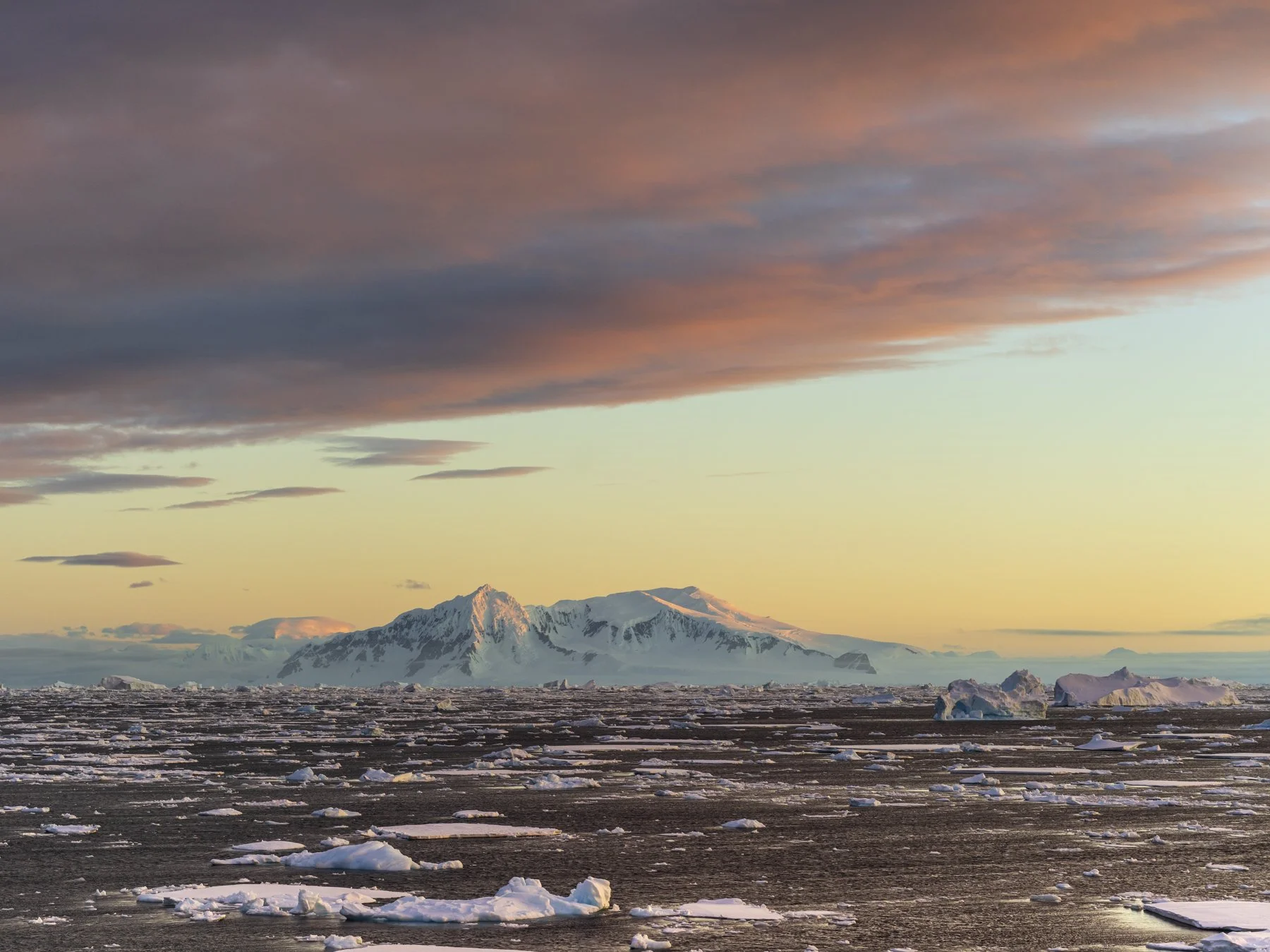
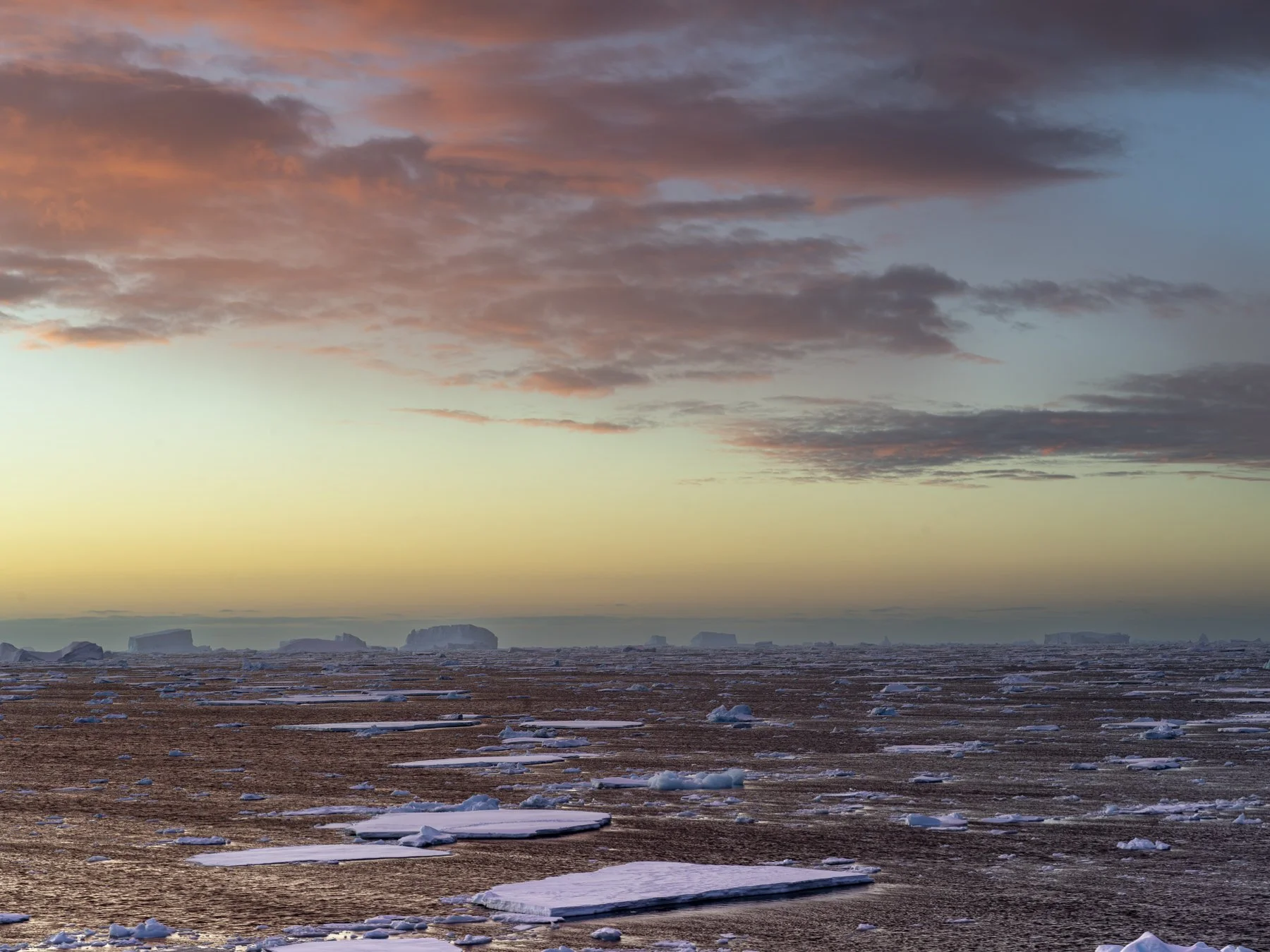
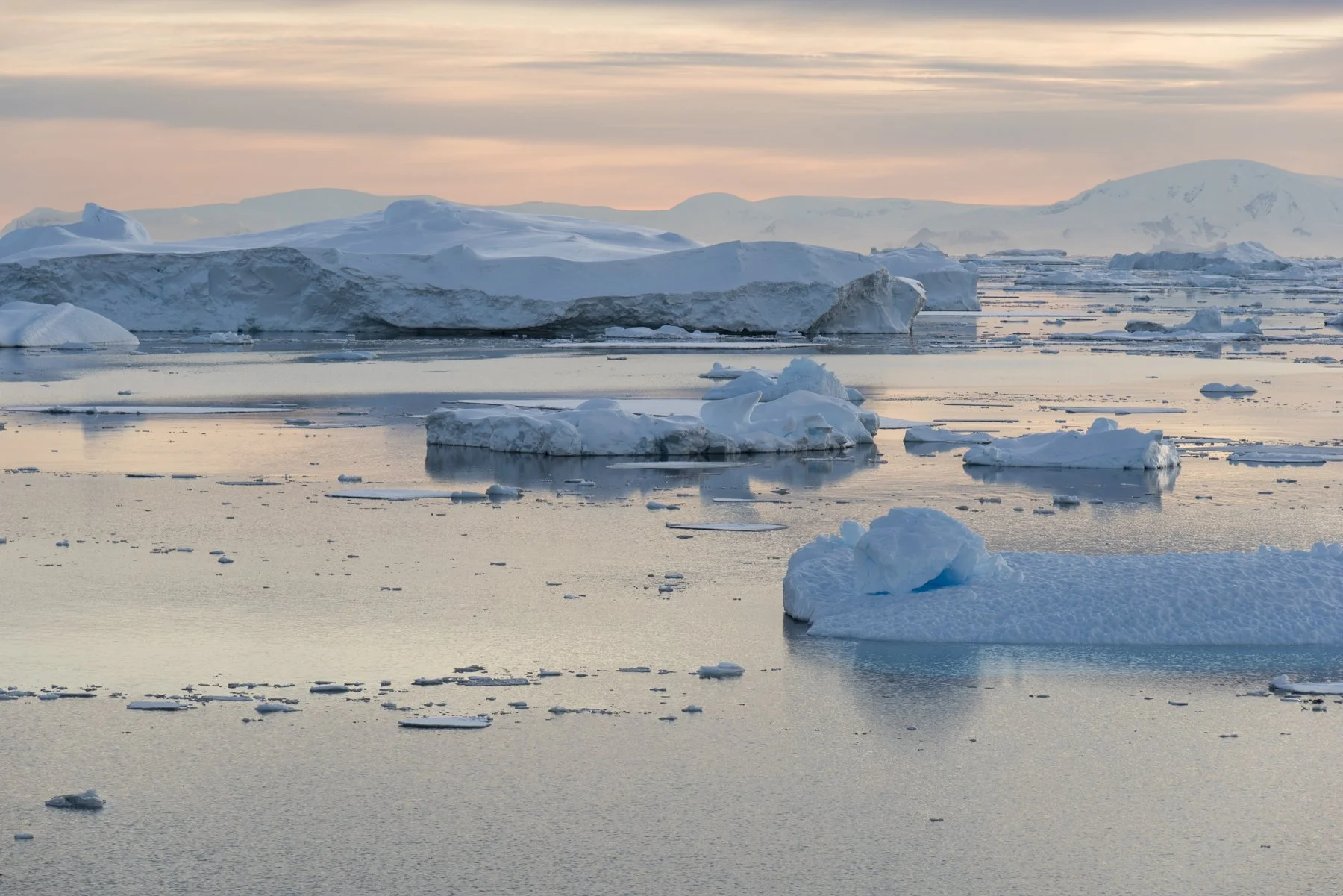
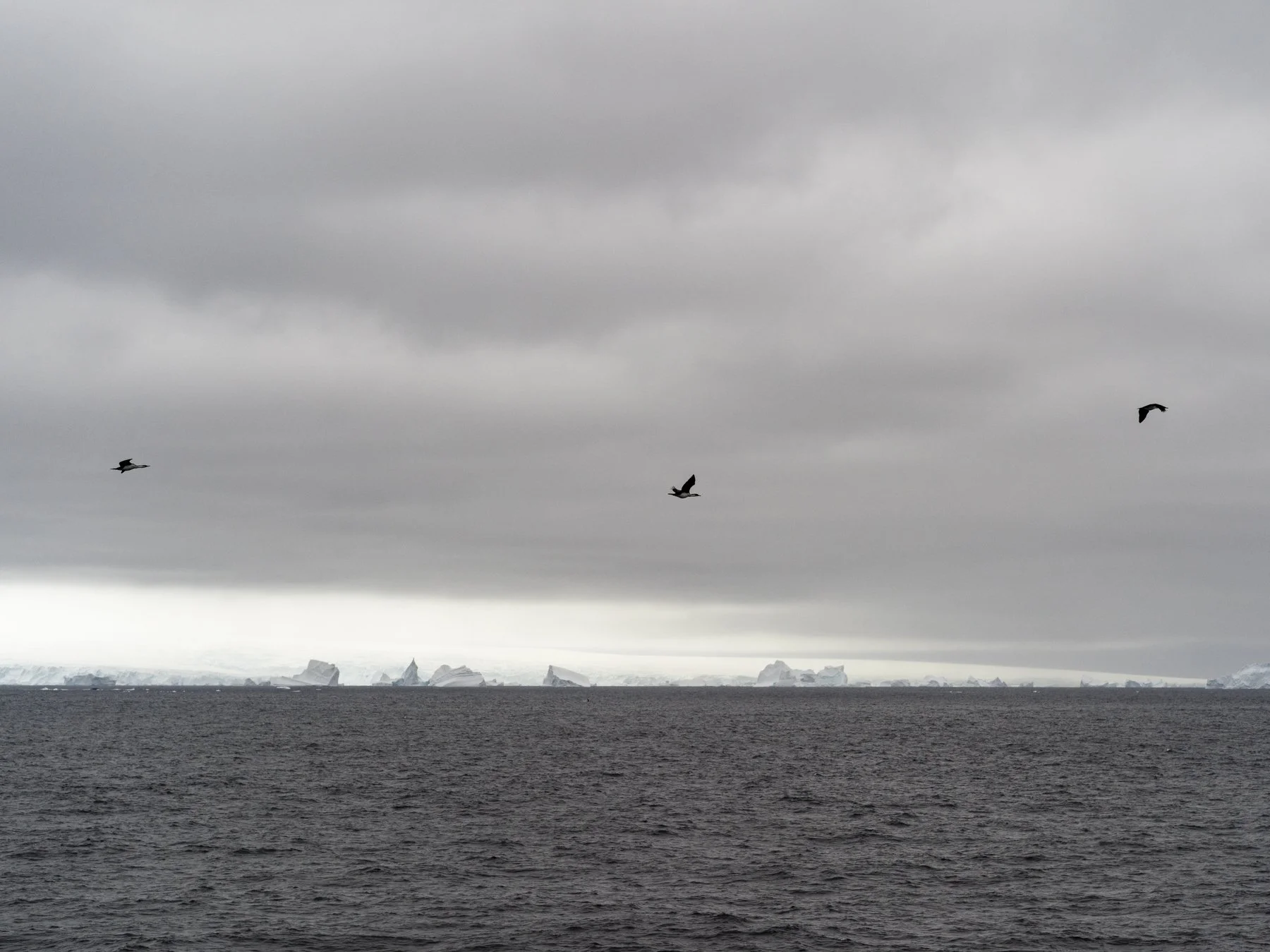
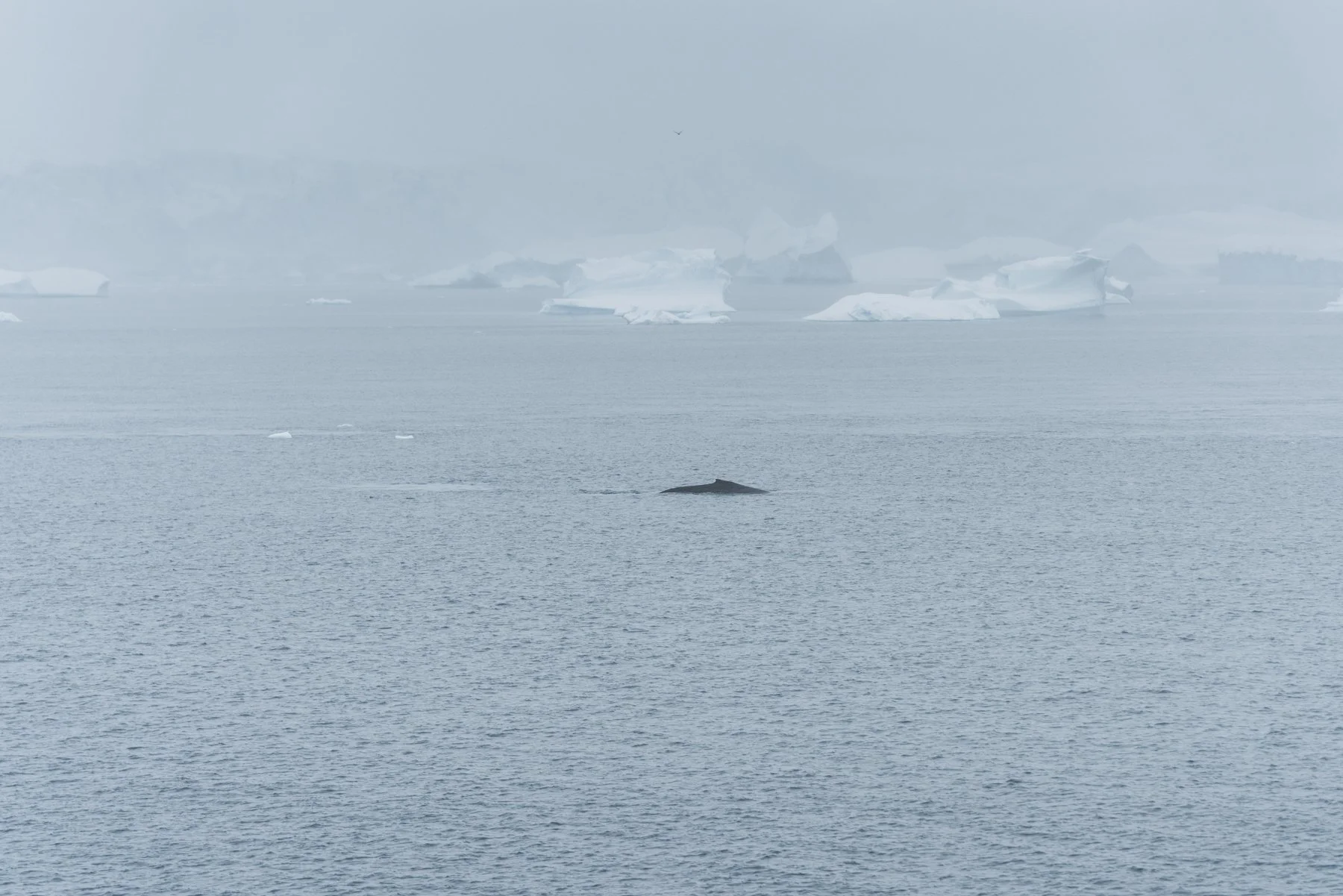
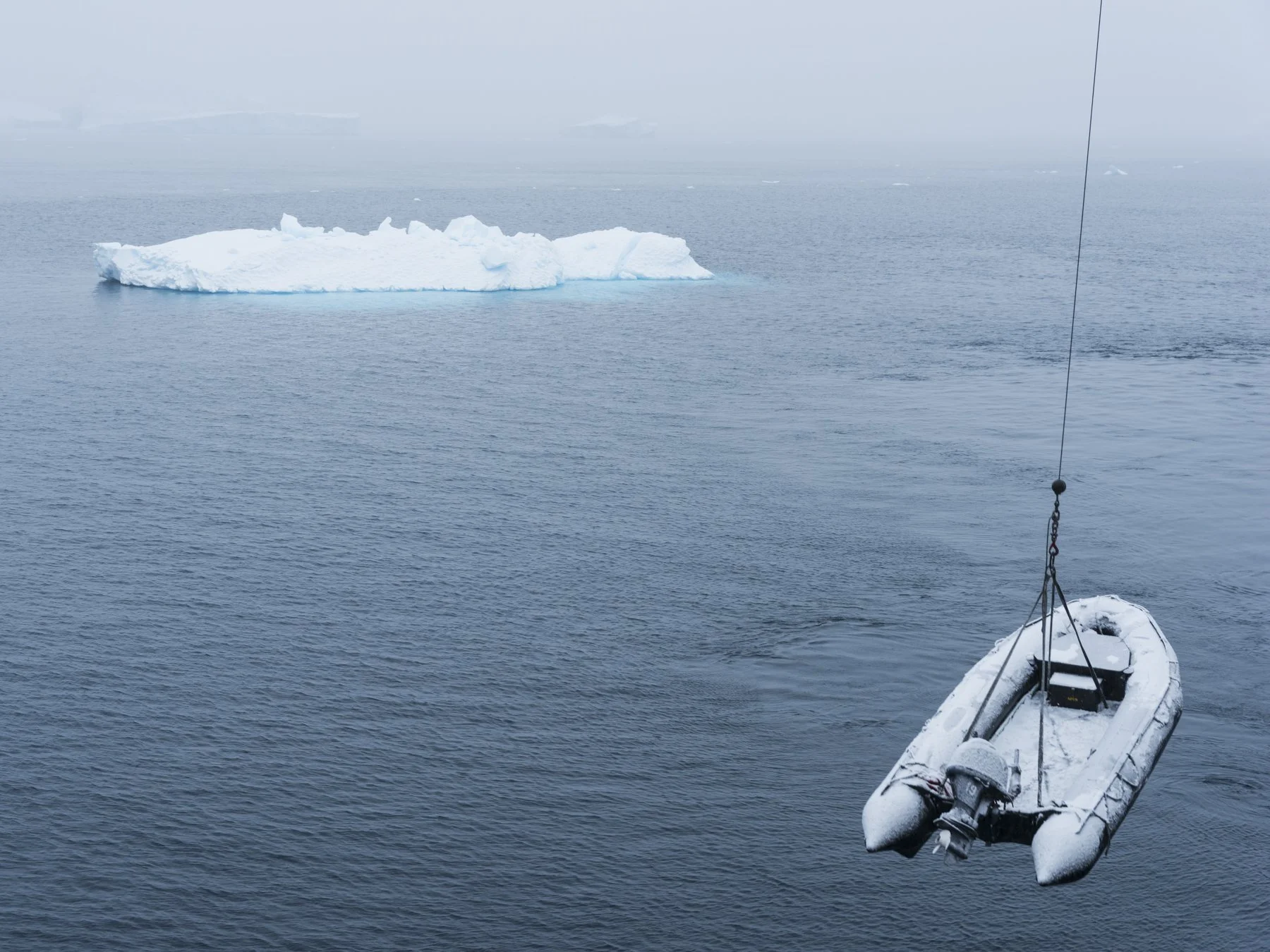
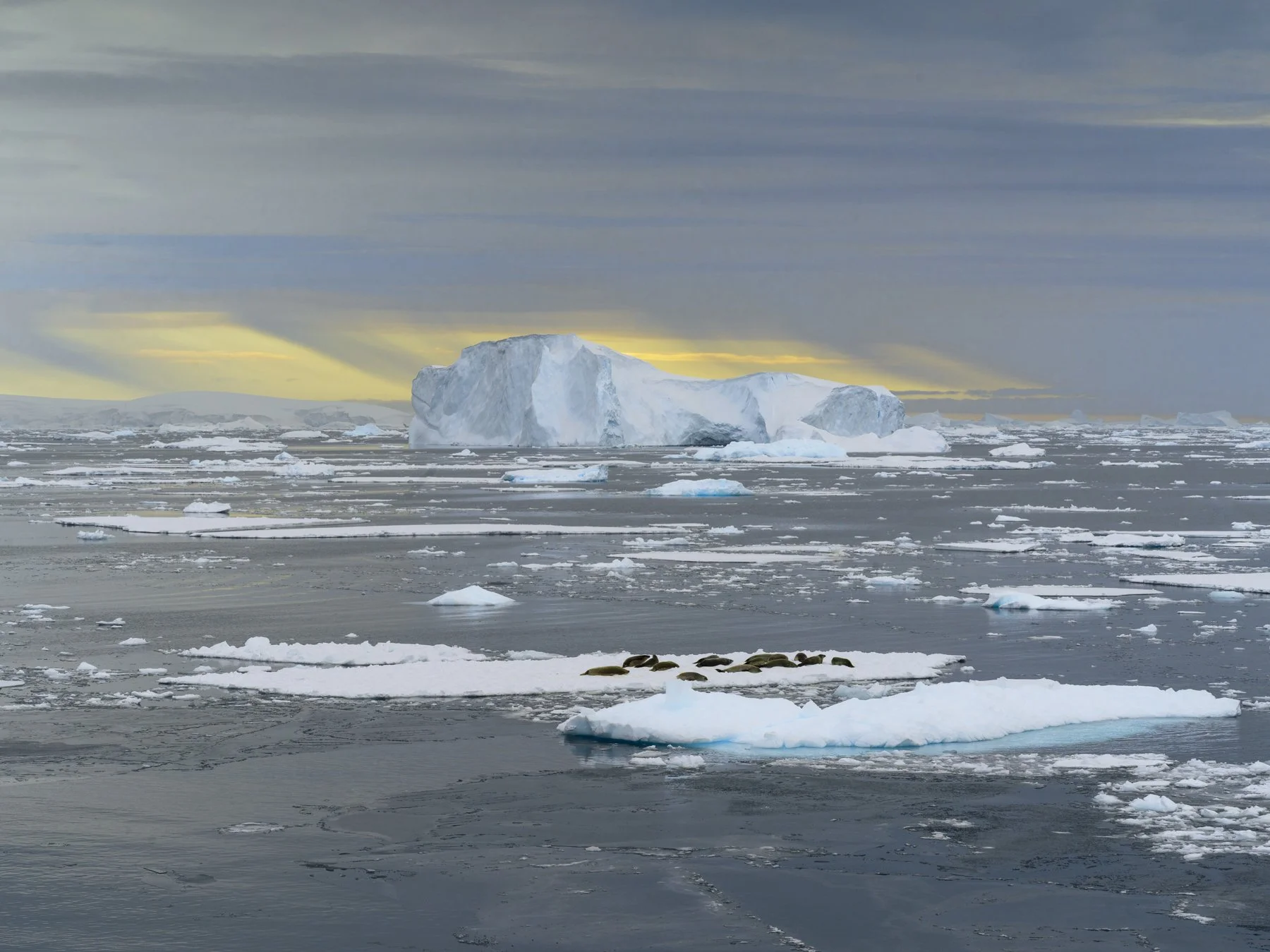
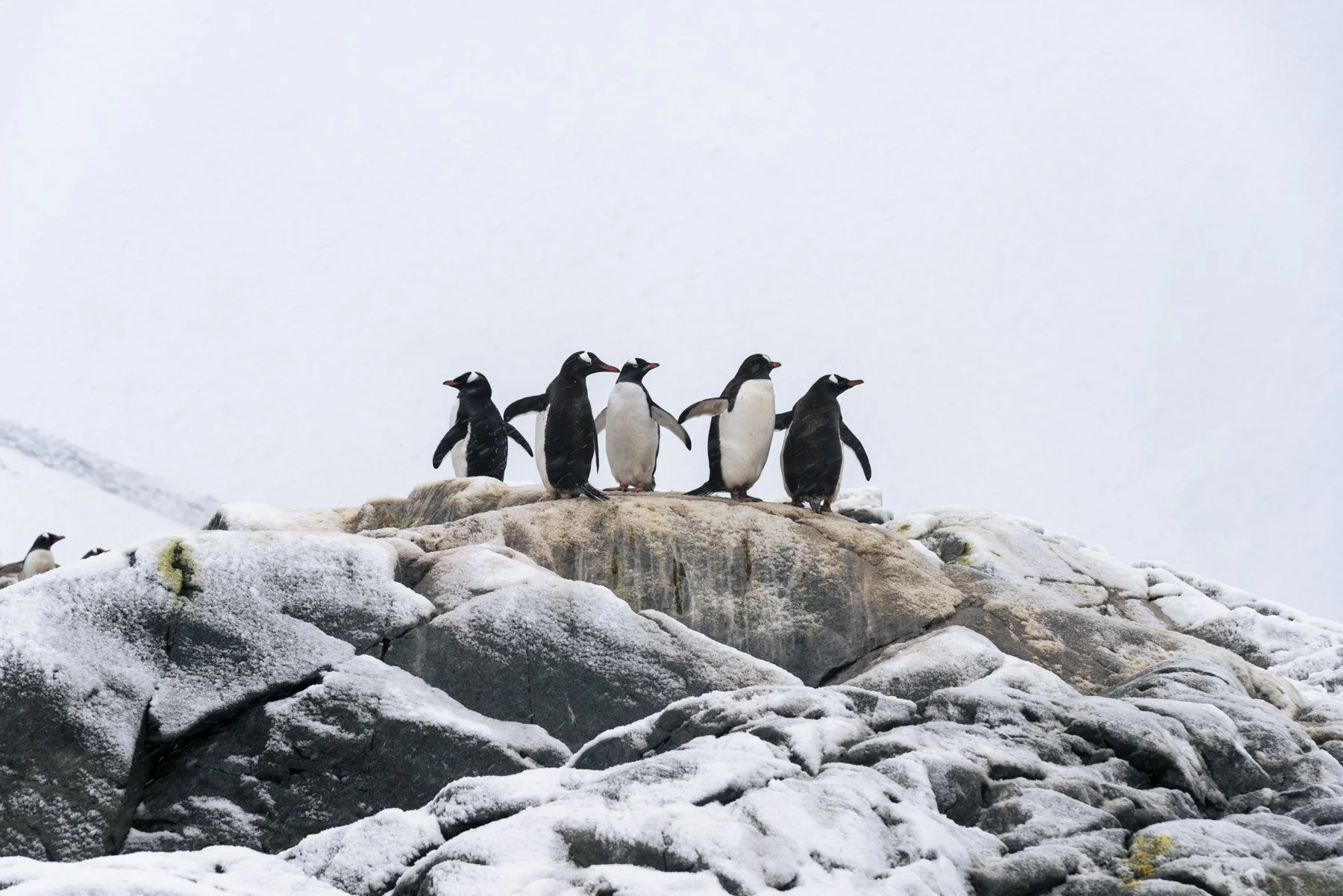
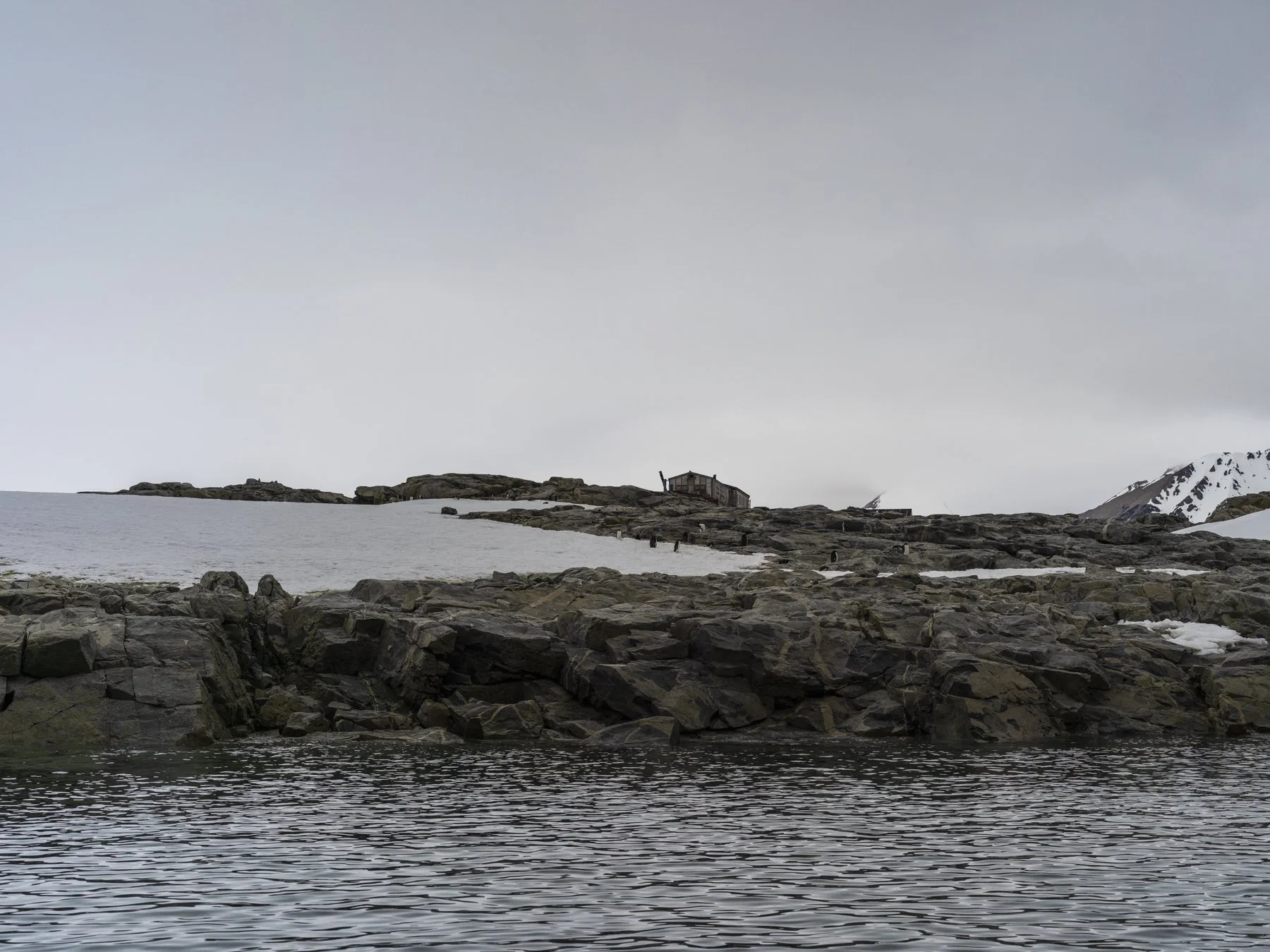
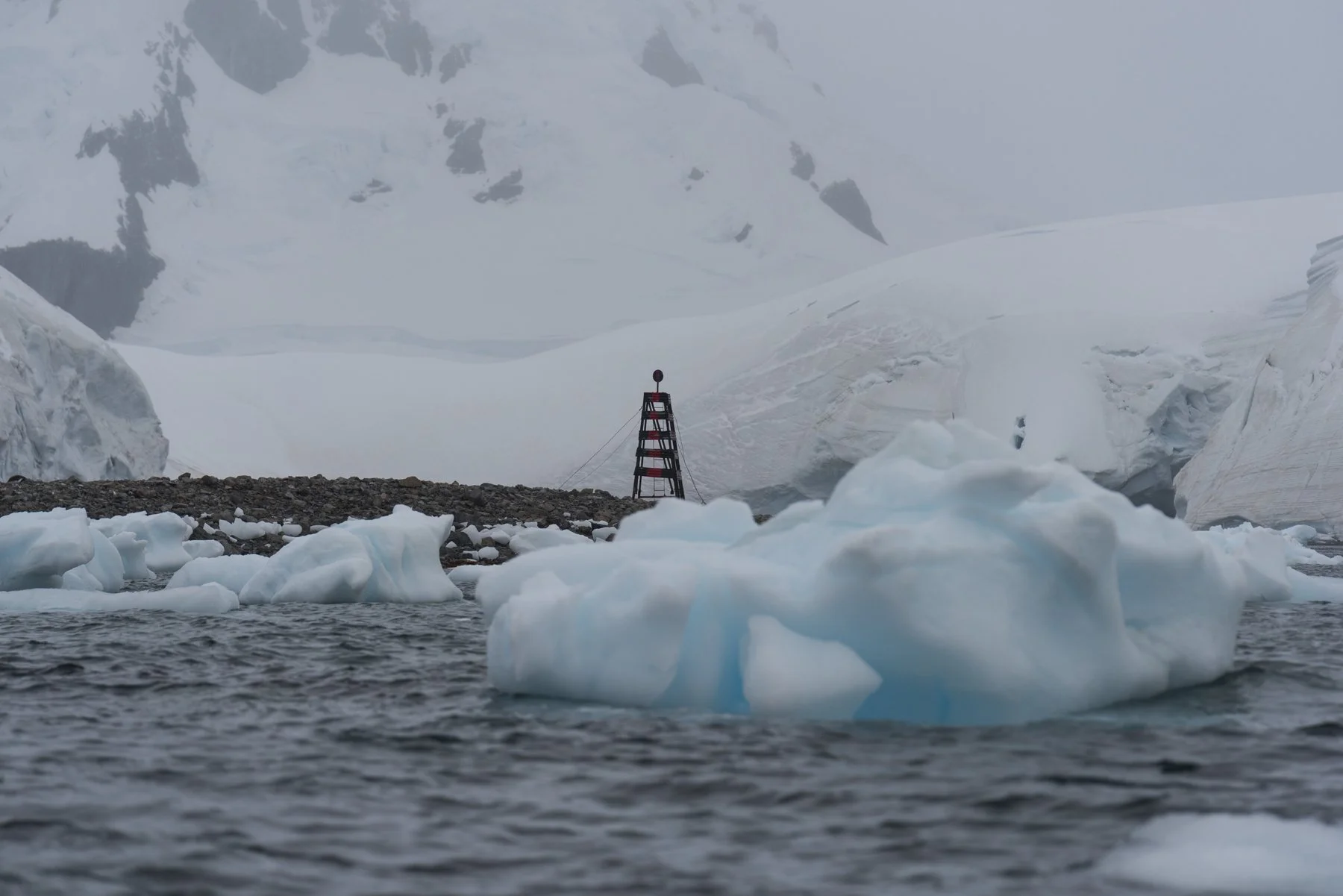
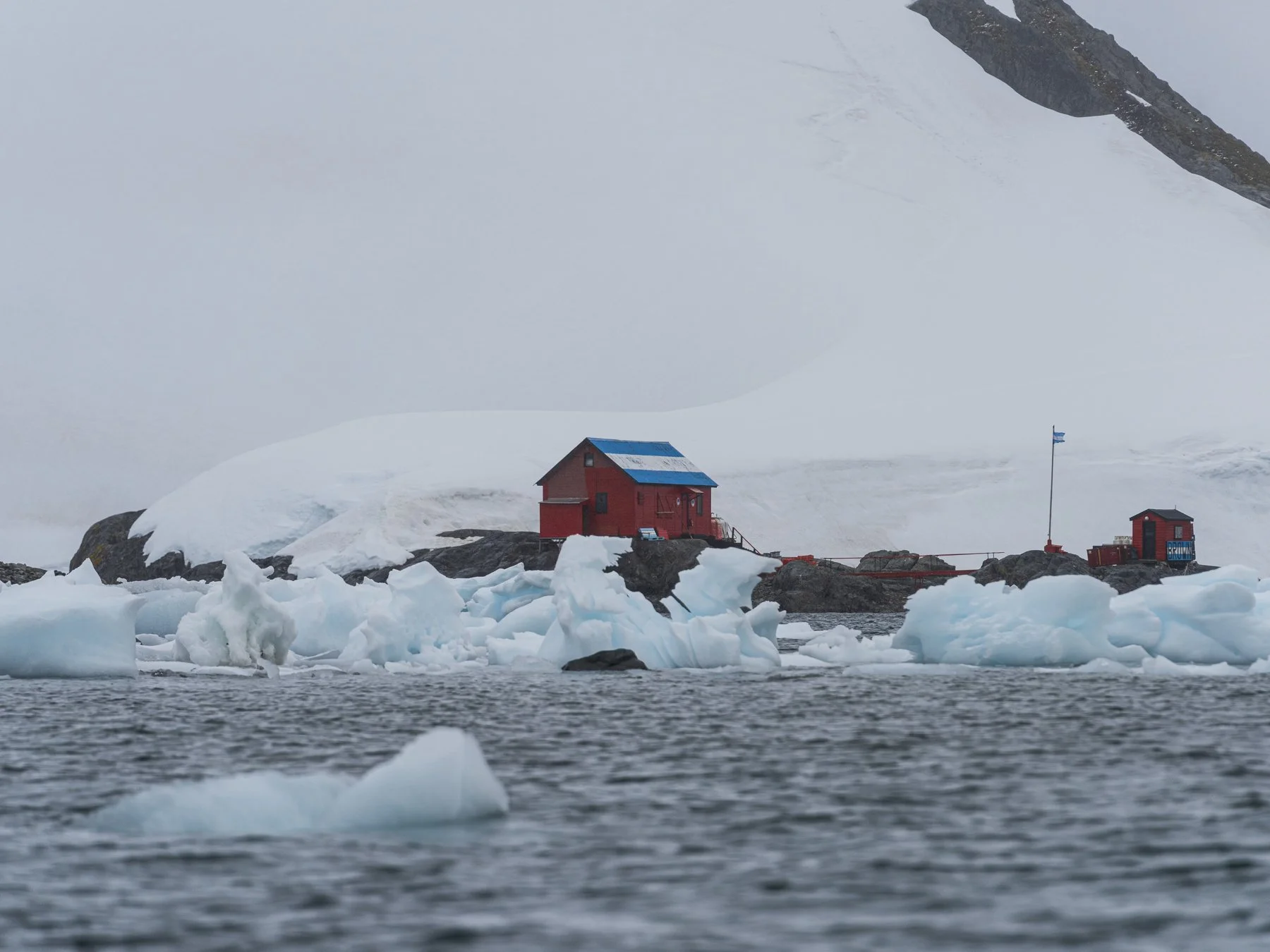
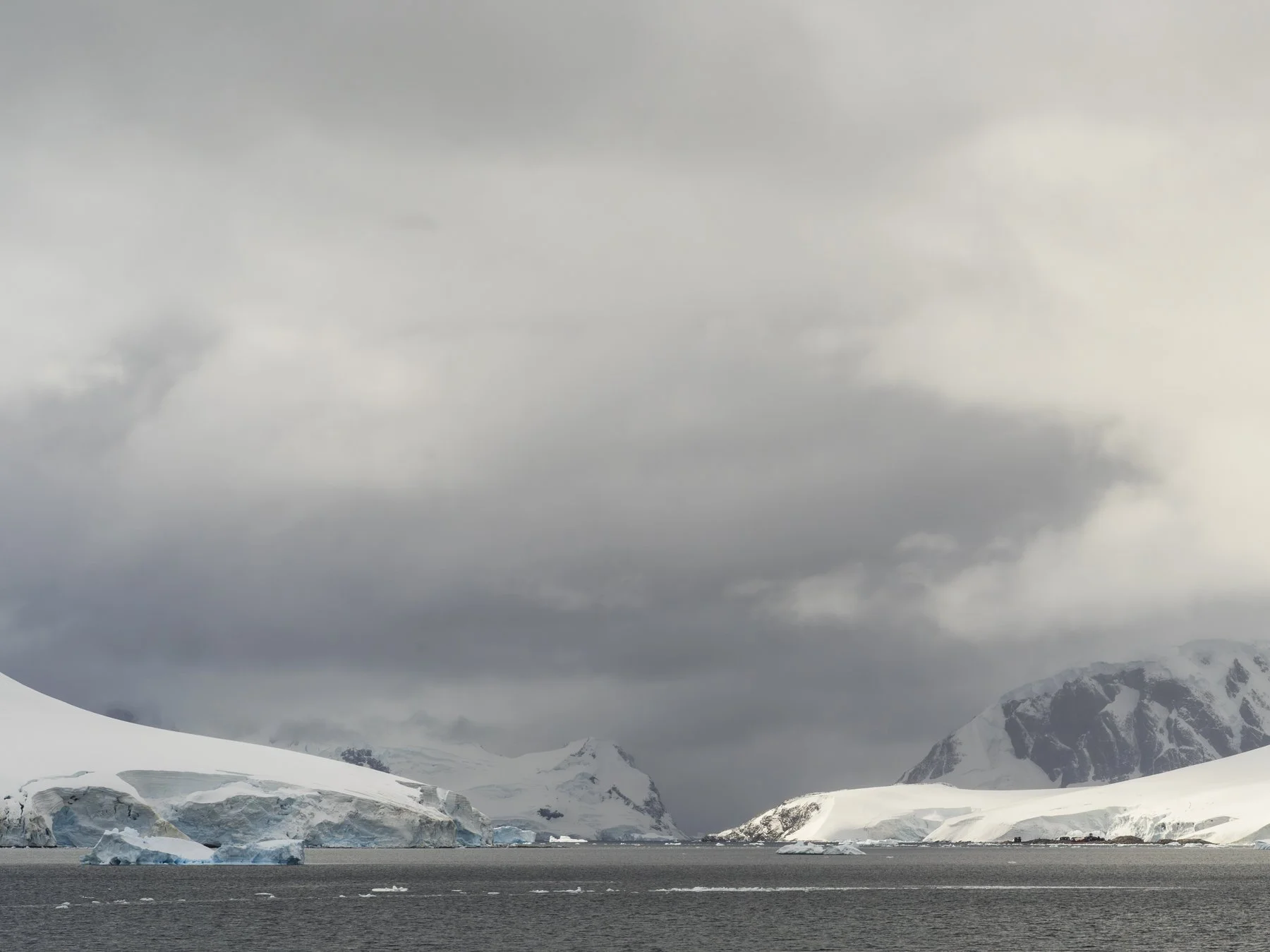
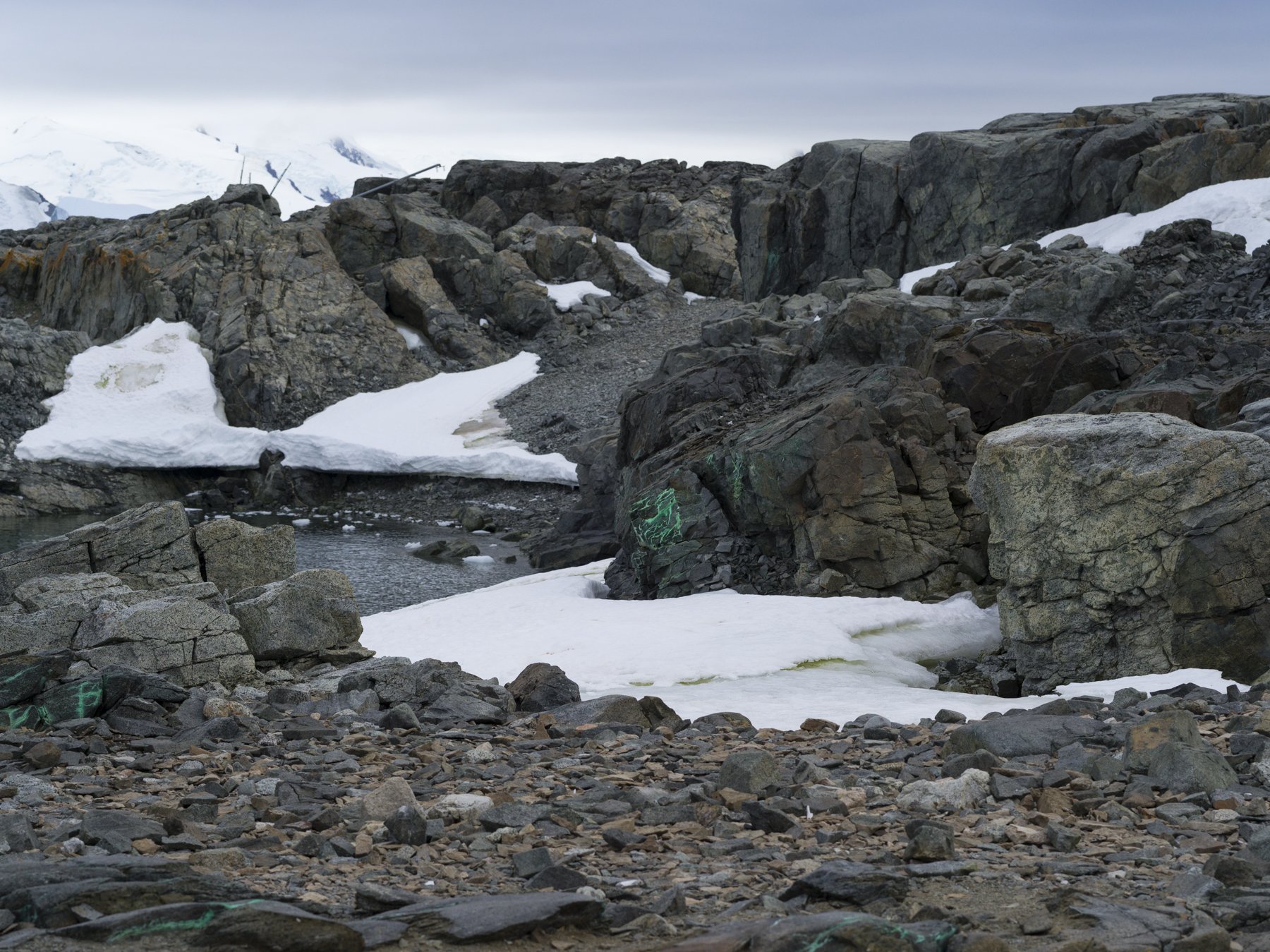
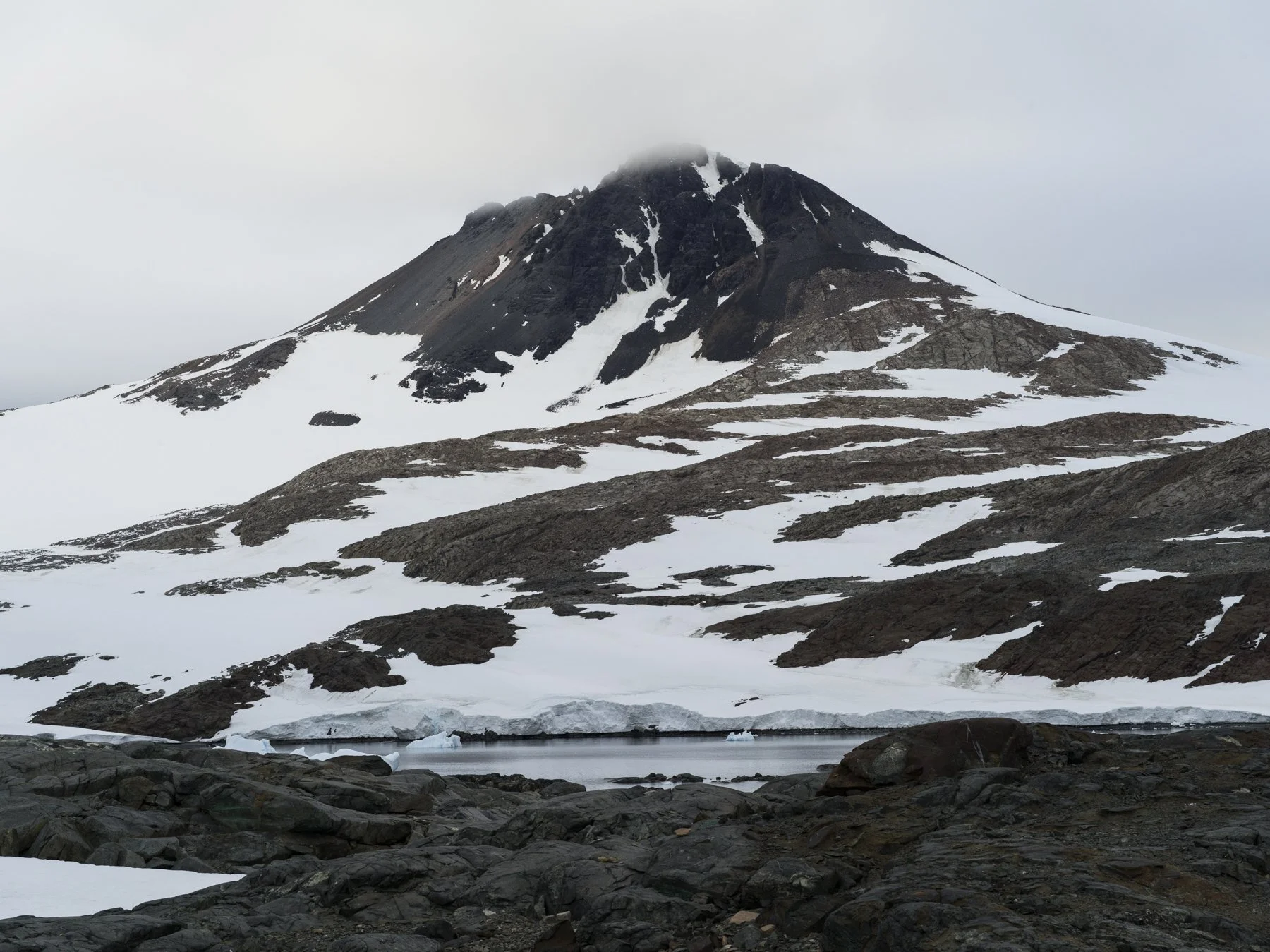
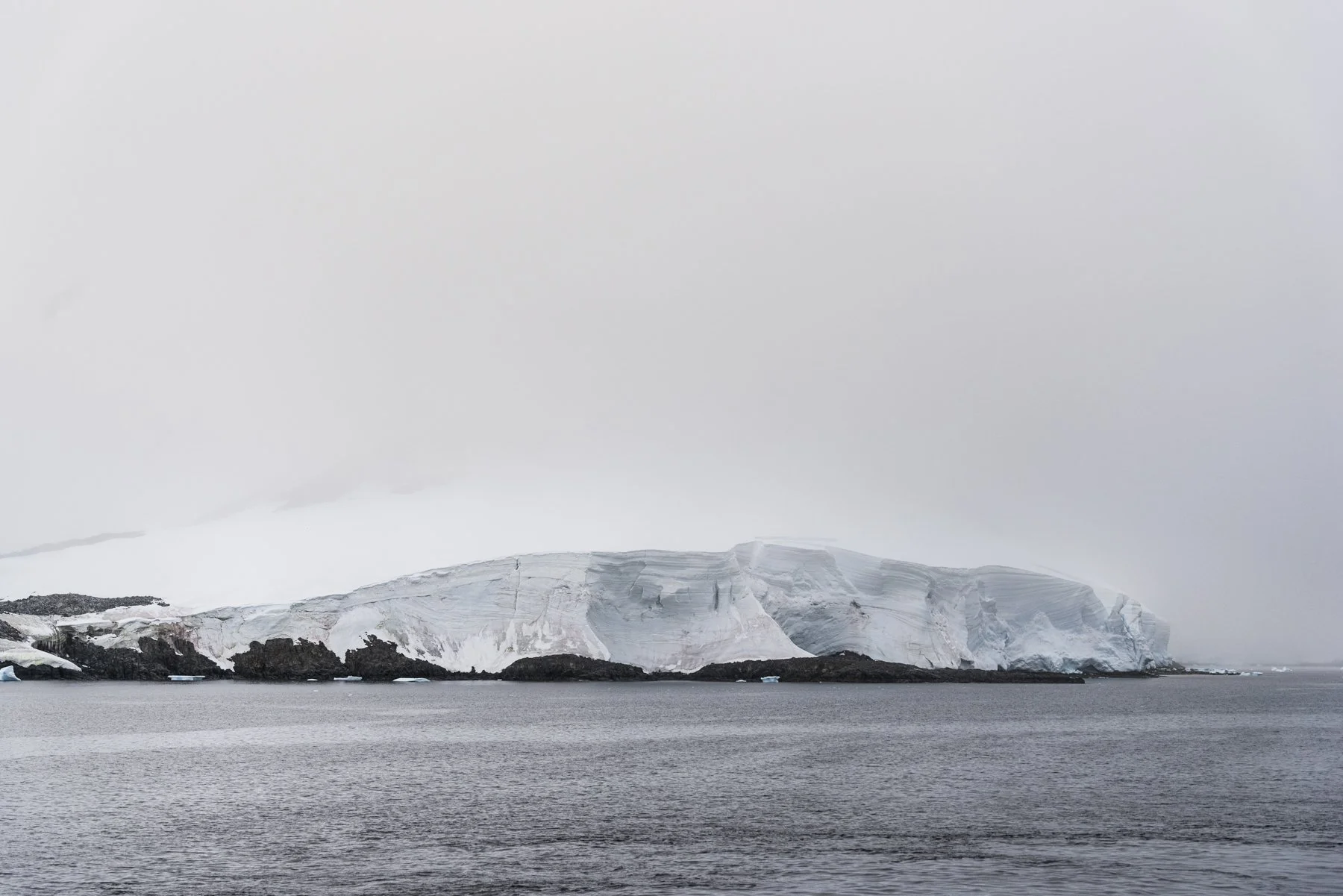
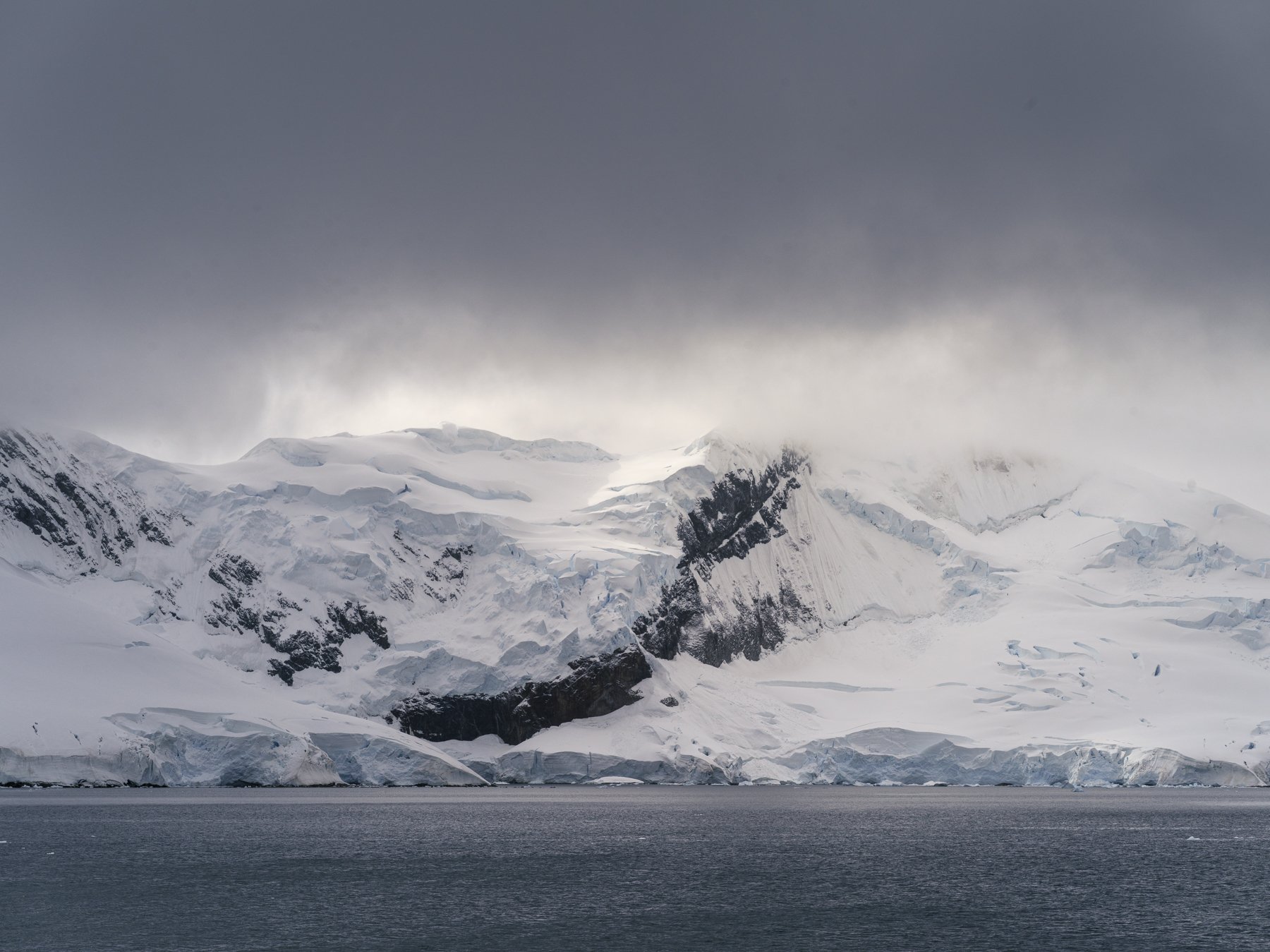
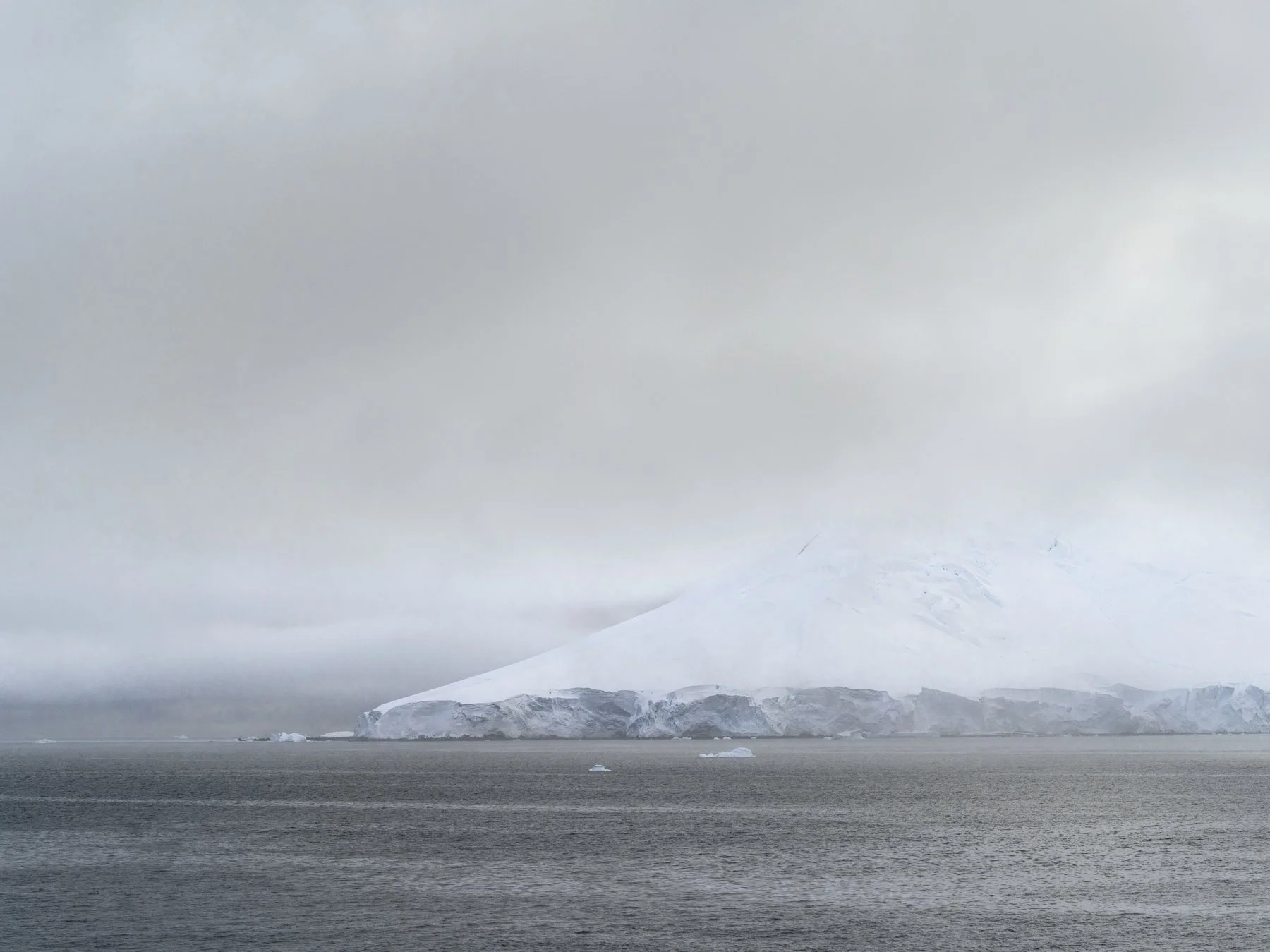
These are images intended to reflect the sense I had in that place that it is extra-terrestrial; an off-world environment inhabited by non-human species perfectly adapted to it with sophisticated systems of communication and social order. It is we humans that venture there who are alien: clinging to the edges of that vast accumulation of particles, sheltering within our vessels and constructions. We are a species that does not naturally inhabit that place, that perhaps should not be there, as our world is disproportionately affecting every part of it.
We have made that vastness, that seemingly impregnable place, vulnerable. When I was in that place, I felt so many emotions – exhilaration, awe, wonder, happiness and sadness – and also shame. Shame that we human species are so careless, so destructive, so covetous no matter what the consequences may be for all of us who share this planet, that we have imperilled it.
Some of the writings and thoughts that affected my sense of place in that place, that perhaps found their way into the photographs I made there, included:
Waldo Emerson in ‘Nature’ -
I become a transparent eye-ball: I am nothing; I see all; the currents of the Universal Being circulate through me; I am part or particle of God ... I am the lover of uncontained and immortal beauty. In the wilderness, I find something more dear and connate than in the street or villages. In the tranquil landscape and especially in the distant line of the horizon, man beholds somewhat as beautiful as his own nature.
Nature always wears the colour of the spirit.
Steven Pyne in The Ice –
The more I looked the more problematic it became to place Antarctica within a context outside itself. It is existential Earth.
Apart from the ice, light/albedo is the defining quality of Antarctica. The light offers an escape from the inescapable perception of vastness - the unreality of the real.
Werner Herzog in Herzog – The Inner Chronicles of What We Areand Antarctica – Encounters At the End of the World -
Be like the storytellers of old – returning from far lands with spellbinding tales.
We need pure and absolute images to reflect our civilisation as a whole and our own deep inner voices. ... We need a new grammar of images ... of transcendence ... images that tell a greater story and resonate on a deeper level ... that invoke us to pay close attention to the world around us.
Antarctica - A Sense of Place
These are images intended to reflect the sense I had in that place that it is extra-terrestrial; an off-world environment inhabited by non-human species perfectly adapted to it with sophisticated systems of communication and social order. It is we humans that venture there who are alien: clinging to the edges of that vast accumulation of particles, sheltering within our vessels and constructions. We are a species that does not naturally inhabit that place, that perhaps should not be there, as our world is disproportionately affecting every part of it.
We have made that vastness, that seemingly impregnable place, vulnerable. When I was in that place, I felt so many emotions – exhilaration, awe, wonder, happiness and sadness – and also shame. Shame that we human species are so careless, so destructive, so covetous no matter what the consequences may be for all of us who share this planet, that we have imperilled it.
Some of the writings and thoughts that affected my sense of place in that place, that perhaps found their way into the photographs I made there, included:
Waldo Emerson in ‘Nature’ -
I become a transparent eye-ball: I am nothing; I see all; the currents of the Universal Being circulate through me; I am part or particle of God ... I am the lover of uncontained and immortal beauty. In the wilderness, I find something more dear and connate than in the street or villages. In the tranquil landscape and especially in the distant line of the horizon, man beholds somewhat as beautiful as his own nature.
Nature always wears the colour of the spirit.
Steven Pyne in The Ice –
The more I looked the more problematic it became to place Antarctica within a context outside itself. It is existential Earth.
Apart from the ice, light/albedo is the defining quality of Antarctica. The light offers an escape from the inescapable perception of vastness - the unreality of the real.
Werner Herzog in Herzog – The Inner Chronicles of What We Areand Antarctica – Encounters At the End of the World -
Be like the storytellers of old – returning from far lands with spellbinding tales.
We need pure and absolute images to reflect our civilisation as a whole and our own deep inner voices. ... We need a new grammar of images ... of transcendence ... images that tell a greater story and resonate on a deeper level ... that invoke us to pay close attention to the world around us.
Quisque iaculis facilisis lacinia. Mauris euismod pellentesque tellus sit amet mollis.